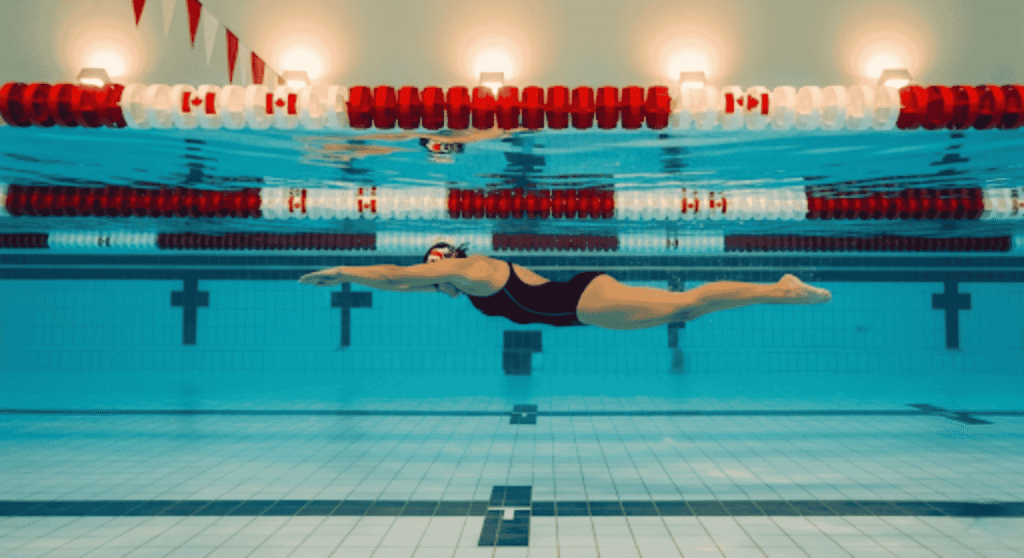

Swimming is a wonderful way to stay healthy and feel great. Many people love the water because it feels light and cool on a hot day. When you learn proper swimming techniques, you can move through the water with much less effort. It is not just about moving your arms and legs quickly. Instead, it is about how you position your body and breathe. Most beginners feel a bit nervous at first, but that is totally normal. Once you understand the basics, you will start to glide like a fish. The best part is that anyone can learn these skills at any age. You just need a little bit of patience and some practice in the pool.
Mastering the Freestyle Stroke
The most famous way to move in the water is the freestyle stroke. This is one of the most important swimming techniques for beginners to master early on. You lie on your stomach and flutter your kicks while reaching forward with your arms. It looks like you are pulling the water toward your body. To breathe, you simply turn your head to the side every few strokes. Many professional athletes use this style because it is very fast and efficient. If you want to get across the pool quickly, this is the best choice for you. Just remember to keep your body long and straight like a pencil in the water.
Relaxing with the Backstroke
Backstroke is another fantastic method that many people find very relaxing. Unlike other swimming techniques, you are lying on your back for this one. This means your face is out of the water, making it much easier to breathe whenever you want. You move your arms in big circles and use the same flutter kick as freestyle. It is a great way to build strength in your shoulders and back. Many experts say this style is perfect for people who might feel a bit tired. You can look up at the sky or the ceiling while you move along. It feels very peaceful once you get the rhythm of the arm movements down.
Swimming Like a Frog: The Breaststroke
If you want to swim like a frog, then the breaststroke is exactly what you need. This is one of the oldest swimming techniques in the world. You pull your arms in a heart shape and kick your legs out wide. It is a very steady way to swim and allows you to see where you are going easily. Many people use this when they are swimming for a long time because it does not tire you out as fast as other strokes. It requires good coordination between your hands and your feet. Once you find the right timing, it feels very smooth and rhythmic. It is also a very social stroke because you can often keep your head up to talk.
The Power of the Butterfly Stroke
The butterfly stroke is often seen as the most challenging of all swimming techniques. It requires a lot of power and a very specific body wave. You move both arms over the water at the same time while doing a dolphin kick. Even though it looks hard, it is incredibly beautiful to watch when done correctly. Professional swimmers often show great discipline when practicing this difficult move. It builds a lot of muscle in your chest and arms very quickly. If you are looking for a real workout, this is the one to try. Just take it slow and focus on the wave movement of your hips first.
Safety First in the Water
Safety is the most important thing to remember when you are near any body of water. Before you try advanced swimming techniques, you should always make sure there is a lifeguard nearby. Never swim alone, even if you think you are an expert. Knowing how to float is a vital skill that everyone should have before they start moving. It helps you stay calm if you get tired or if you find yourself in deep water. Always check the depth of the pool before you jump in to avoid any accidents. Being safe allows you to have much more fun and keeps your family worry-free while you enjoy the pool.
How to Breathe While Swimming
Learning to breathe correctly is a huge part of improving your skills in the pool. Many people hold their breath, which makes them feel tired very fast. Instead, you should blow bubbles through your nose or mouth while your face is underwater. This is a core part of efficient swimming techniques used by top performers. When you turn your face to the side, you take a quick breath of fresh air. This constant cycle of breathing keeps your muscles fueled with oxygen. It might feel strange at first to blow bubbles, but it becomes a habit very quickly. Practicing this at the edge of the pool is a great way to start.
Treading Water for Safety
Treading water is a skill that helps you stay in one place while keeping your head up. It is different from other swimming techniques because you are not trying to go anywhere. You move your legs in a circular motion like you are riding a bike or mixing a giant bowl of soup. Your hands move back and forth to help push the water down. This is very useful if you need to stop and look around or talk to a friend. It is also a key safety skill that every swimmer must know. It builds great endurance in your legs and helps you feel much more confident in deep areas.
Using the Right Swimming Gear
Having the right gear can make your time in the water much more enjoyable. Goggles are a great tool because they let you see clearly underwater without stinging your eyes. A good swim cap can keep your hair out of your face and make you move faster. Many people also use fins or kickboards when they are practicing new swimming techniques. These tools help you focus on one part of your body at a time. For example, a kickboard lets you focus only on your legs while your arms rest. Using these helps you build strength and technique without getting overwhelmed by too many movements at once.
Consistency and Practice
Consistency is the secret to becoming a great swimmer over time. You do not need to spend hours in the pool every single day. Just visiting the water twice a week can show huge improvements in your swimming techniques. Each time you go, try to focus on one small thing, like your hand position or your kick. Over time, these small changes add up to big results. You will notice that you can swim further without feeling out of breath. It is a journey that takes time, so do not get discouraged if it feels hard at first. Celebrate every small win you have in the water.
Discipline and Success
Swimming is not just a sport; it is also a way to build a strong mind and body. Many successful leaders in business often talk about the discipline they learned from sports. When you focus on your swimming techniques, you are training your brain to stay calm under pressure. This kind of focus is very helpful in school and in other parts of your life. It teaches you that hard work leads to real progress. Whether you are swimming for fun or for a team, the lessons you learn in the water stay with you forever. It is a life skill that provides health and happiness for years.
Comparison of Swimming Strokes
| Swimming Stroke | Difficulty Level | Speed Rank | Best For |
| Freestyle | Medium | 1st | Fast laps and racing |
| Backstroke | Easy | 3rd | Relaxing and breathing |
| Breaststroke | Easy | 4th | Long distance and stamina |
| Butterfly | Hard | 2nd | Strength and power |
Conclusion
Swimming is a gift that keeps on giving to your body and soul. By focusing on simple swimming techniques, you open up a world of adventure and health. Remember to start slow, stay safe, and always have a positive attitude. The water is a place to explore and enjoy yourself. Whether you are at the beach or a local pool, these skills will serve you well. Keep practicing your strokes and breathing every chance you get. You will soon find that swimming is one of the most rewarding activities you can do. Now, it is time to grab your towel and head to the water for some fun.
Frequently Asked Questions
What is the easiest swimming stroke for a total beginner to learn?
The backstroke is often considered the easiest because your face stays out of the water. This makes breathing much simpler for people who are just starting out. You can focus on your leg and arm movements without worrying about when to take a breath. It is very relaxing and helps you get used to the feeling of floating.
How many times a week should I practice my swimming techniques?
Practicing two or three times a week is perfect for most people. This gives your muscles time to rest while still helping you remember what you learned. Consistency is more important than spending a long time in the pool once a month. Short, regular sessions help you build muscle memory much faster.
Why do my legs sink when I am trying to swim freestyle?
Your legs might sink if your head is too high in the water. When you lift your head, your hips and legs naturally go down. Try to keep your eyes looking at the bottom of the pool. This keeps your body flat and makes your swimming techniques much more effective and fast.
Do I really need to wear goggles when I go to the pool?
While you do not strictly need them, goggles make swimming much more comfortable. They protect your eyes from the chemicals in the pool and help you see where you are going. Being able to see underwater also helps you stay calm and focused on your movements. Most people find they enjoy swimming much more with a pair of goggles.
Can swimming help me get stronger and lose weight?
Yes, swimming is one of the best exercises for your whole body. It uses almost every muscle you have, from your arms to your legs and core. Because water is thicker than air, your muscles have to work harder to move. This helps you build strength and burn energy while being very gentle on your joints.
Is it ever too late to learn how to swim?
It is never too late to learn! People of all ages, from toddlers to grandparents, can learn how to swim. Many community centers offer classes specifically for adults who are beginners. Learning these skills later in life is a brave and wonderful way to stay active and safe around the water.