
Introduction to Cosmetic Filling Machines
A cosmetic filling machine is an essential piece of equipment used in the beauty and personal care industry. It helps manufacturers fill containers with cosmetic products accurately, efficiently, and hygienically. From creams and lotions to shampoos, serums, foundations, and liquid makeup, these machines support the production of a wide range of beauty products.
As the demand for cosmetics continues to grow, manufacturers need reliable equipment that can handle large production volumes while maintaining consistent product quality. Manual filling methods can be slow, time-consuming, and prone to errors. A cosmetic filling machine helps solve these problems by automating the filling process and reducing product waste.
Whether a business operates a small skincare brand or a large cosmetics factory, choosing the right filling equipment can improve productivity and support business growth. Understanding the different machine types, features, and applications helps manufacturers make better purchasing decisions.
What Is a Cosmetic Filling Machine?
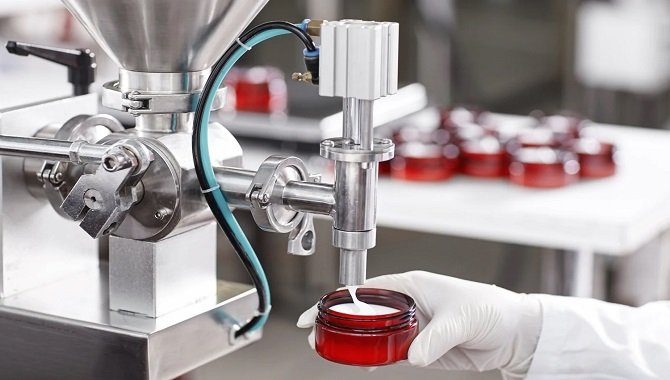
A cosmetic filling machine is specialized equipment designed to dispense a specific amount of cosmetic product into bottles, jars, tubes, pumps, and other containers. Depending on the machine design, it can handle liquids, creams, gels, pastes, and other cosmetic formulations.
These machines use different filling technologies to control product volume and maintain accuracy. Some models operate manually or semi-automatically, while others perform the entire filling process automatically.
For example, a skincare manufacturer may use a filling machine to dispense moisturizer into jars. A perfume company may need equipment that fills small glass bottles with precise quantities of fragrance. Similarly, a shampoo manufacturer may require a machine capable of filling larger plastic bottles quickly.
The best machine depends on the product’s viscosity, packaging type, production volume, and required filling accuracy.
Types of Cosmetic Filling Machines
Cosmetic filling machines are available in several designs to meet different manufacturing requirements. Each type offers specific advantages depending on the product and production environment.
1. Liquid Cosmetic Filling Machines
Liquid filling machines are designed for products with low or moderate viscosity. Common applications include perfumes, toners, facial cleansers, makeup removers, and liquid foundations.
These machines use pumps, gravity, or other metering systems to transfer liquids into containers. Some models include multiple filling nozzles, allowing several bottles to be filled simultaneously.
Liquid filling equipment is especially useful for businesses that need consistent fill levels and fast production speeds.
2. Cream and Lotion Filling Machines
Cream filling machines are suitable for thicker cosmetic products, including moisturizers, body lotions, sunscreens, and facial creams.
These machines commonly use piston fillers or specialized pumps to dispense controlled quantities of viscous products. Their design helps maintain consistent filling performance while reducing spills and product loss.
Manufacturers should choose equipment that can handle the thickness of their formulations without damaging the product or affecting its texture.
3. Tube Filling Machines
Tube filling machines are used to package cosmetics in plastic, laminate, or compatible metal tubes. Typical products include hand creams, facial cleansers, lip products, and cosmetic gels.
Depending on the machine, the process may include tube loading, filling, sealing, coding, and finished-product discharge.
Automated tube filling equipment can improve packaging consistency and help manufacturers prepare products for retail distribution.
4. Automatic Cosmetic Filling Machines
Automatic filling machines are designed for medium-sized and large-scale production. They can perform several operations with limited manual intervention.
Depending on the configuration, these systems may include automatic container feeding, filling, capping, and conveyor-based product handling.
Automatic equipment can increase production capacity, reduce repetitive labor, and support consistent packaging quality.
5. Semi-Automatic Cosmetic Filling Machines
Semi-automatic machines are a practical option for startups, small cosmetic brands, and manufacturers with moderate production requirements.
Operators usually position containers and control parts of the filling process manually. The machine then dispenses a preset quantity of product.
These systems generally require less initial investment than fully automatic production lines. They also offer flexibility for businesses producing several products in smaller batches.
Key Features of a Cosmetic Filling Machine
When selecting a cosmetic filling machine, manufacturers should evaluate several important features.
Filling accuracy: Accurate dispensing helps maintain consistent product quantities and reduces overfilling.
Adjustable filling volume: Flexible volume settings allow businesses to package products in different container sizes.
Material compatibility: Product-contact components should be suitable for the formulation and meet relevant hygiene requirements.
Easy cleaning: Removable parts and accessible product pathways can simplify cleaning between production batches.
Variable production speed: Adjustable operating speeds help manufacturers balance output with product handling requirements.
Container compatibility: A suitable machine should accommodate the intended bottles, jars, tubes, or other packaging formats.
User-friendly controls: Clear controls and straightforward settings help operators manage production efficiently.
Not every machine includes all these features. Buyers should confirm the specifications and available options with the equipment supplier before purchasing.
Benefits of Using a Cosmetic Filling Machine
Investing in a cosmetic filling machine offers several advantages for manufacturers.
Improved Production Efficiency
Automated or semi-automated filling equipment can process more containers in less time than manual methods. This helps manufacturers manage larger orders and maintain more predictable production schedules.
Consistent Filling Accuracy
A properly configured machine dispenses controlled quantities into each container. Consistency is important for product presentation, inventory management, and compliance with applicable net-quantity requirements.
Reduced Product Waste
Precise dispensing helps minimize spills, drips, and excessive filling. For expensive ingredients, reducing waste can make a meaningful difference to production costs.
Better Hygiene and Product Handling
Cosmetic products may require careful handling to protect their quality. Suitable equipment, appropriate cleaning procedures, and hygienic operating practices help reduce contamination risks.
Lower Labor Requirements
Filling machines reduce the amount of repetitive manual work required during production. Employees can focus on quality checks, packaging preparation, machine monitoring, and other essential tasks.
Support for Business Growth
As orders increase, manufacturers can improve output by upgrading equipment, adding filling heads, or integrating filling machines with other packaging systems.
Applications of Cosmetic Filling Machines
Cosmetic filling machines are used across many areas of the beauty and personal care industry.
Common applications include:
- Skincare products: Facial creams, moisturizers, serums, toners, and sunscreens.
- Haircare products: Shampoos, conditioners, hair oils, and styling gels.
- Makeup products: Liquid foundations, primers, concealers, and lip glosses.
- Personal care products: Body lotions, hand creams, liquid soaps, and deodorants.
- Fragrance products: Perfumes, body sprays, and compatible fragrance formulations.
- Professional beauty products: Salon treatments, cosmetic gels, and specialized skincare preparations.
Because these products differ in viscosity, ingredients, and packaging requirements, manufacturers should select machines based on the specific formulation and container design.
How to Choose the Right Cosmetic Filling Machine
Choosing the right equipment requires careful planning. A machine that works well for one cosmetic product may not be suitable for another.
First, identify the type of product you want to fill. Thin liquids, thick creams, foaming formulations, and products containing particles may require different filling technologies.
Next, consider the required production capacity. Small businesses may benefit from semi-automatic machines, while high-volume factories often need automatic systems with multiple filling heads.
Container size and shape are also important. Confirm that the equipment can accommodate the required bottle openings, jar dimensions, tube materials, and filling volumes.
Cleaning and maintenance should be considered before purchasing. Equipment with accessible product-contact parts may simplify routine cleaning and product changeovers.
Finally, compare the machine’s price, warranty, spare-part availability, technical support, and operating costs. Request a product demonstration or filling test when possible to confirm that the equipment meets your production needs.
Maintenance Tips for Cosmetic Filling Machines
Regular maintenance helps keep filling equipment reliable and reduces unexpected downtime.
Clean product-contact components according to the manufacturer’s instructions after production or when changing formulations. Use cleaning agents compatible with both the machine materials and the cosmetic product.
Inspect nozzles, seals, hoses, valves, and pumps for wear, leakage, or blockages. Damaged components can affect filling accuracy and product quality.
Operators should also check calibration regularly and verify the actual quantity dispensed during production. Follow the manufacturer’s maintenance schedule for lubrication, replacement parts, and mechanical inspections.
For automated systems, keep sensors and control panels clean and ensure that safety devices function correctly. Train employees to operate the machine properly and report unusual sounds, leaks, or performance changes.
Good maintenance practices can extend equipment life and support stable production performance.
Cost of a Cosmetic Filling Machine
The price of a cosmetic filling machine depends on its automation level, filling technology, production speed, number of filling heads, and construction materials.
Manual and semi-automatic machines generally cost less than fully automated systems. Advanced production lines may require additional investment in conveyors, capping machines, labeling equipment, and container-handling systems.
Other expenses may include installation, operator training, spare parts, maintenance, and shipping.
Rather than choosing equipment based only on its purchase price, manufacturers should evaluate its total cost of ownership. A machine that offers dependable performance, suitable filling accuracy, and accessible technical support may provide better long-term value.
Request quotations from multiple suppliers and compare specifications carefully before making a final decision.
Future Trends in Cosmetic Filling Technology
The cosmetic manufacturing industry continues to adopt technologies that improve efficiency, flexibility, and product quality.
Smart controls and digital monitoring systems can help operators track production performance and identify potential issues. Improved automation can also reduce manual handling and support consistent filling results.
Flexible filling systems are becoming increasingly valuable for manufacturers producing multiple product lines or container sizes. Quick-change components and programmable settings can help reduce downtime during product changeovers.
Manufacturers are also paying greater attention to hygienic equipment design, energy efficiency, and packaging waste reduction. As product formulations and packaging formats evolve, adaptable filling technology can help businesses respond to changing market demands.
Frequently Asked Questions
1. What is a cosmetic filling machine used for?
A cosmetic filling machine dispenses controlled quantities of beauty and personal care products into containers such as bottles, jars, and tubes.
2. Can one machine fill both liquids and creams?
Some machines can handle multiple product types, but compatibility depends on the filling mechanism, viscosity range, and machine configuration. Always confirm suitability with the supplier.
3. Is an automatic cosmetic filling machine suitable for small businesses?
It can be suitable for small businesses with growing production needs and sufficient budgets. Semi-automatic equipment may be more economical for low-volume operations.
4. How accurate are cosmetic filling machines?
Accuracy varies by machine design, product characteristics, filling volume, and operating conditions. Manufacturers should review the supplier’s stated accuracy and conduct filling tests.
5. What materials are used in cosmetic filling machines?
Product-contact parts may use stainless steel and compatible food-grade or cosmetic-grade seals and tubing. The correct materials depend on the formulation and applicable manufacturing requirements.
6. How can I maintain a cosmetic filling machine?
Follow the manufacturer’s cleaning and servicing instructions, inspect wear components, check calibration, and train operators to use the equipment correctly.
Conclusion
A cosmetic filling machine is an important investment for businesses that manufacture skincare, haircare, makeup, fragrance, and personal care products. It helps improve production efficiency, maintain consistent filling quantities, reduce waste, and support hygienic product handling.
The right machine depends on product viscosity, container type, required output, budget, and cleaning requirements. By comparing available technologies and evaluating long-term operating costs, manufacturers can select equipment that meets their current needs and supports future growth.
Whether you are launching a small beauty brand or expanding an established cosmetics factory, choosing a reliable cosmetic filling machine can help streamline packaging operations and maintain consistent product quality.