
Introduction to Graphite Rings
Graphite rings are essential industrial components used in sealing systems, mechanical equipment, pumps, compressors, and high-temperature applications. They are valued for their heat resistance, chemical stability, and ability to perform under challenging operating conditions. Many industries choose graphite rings when conventional sealing materials cannot provide the required durability or temperature tolerance.
Manufacturers produce graphite rings in different sizes, shapes, and material grades to meet specific engineering requirements. Depending on their design, these rings can help control leakage, reduce friction, and support reliable equipment operation. They are commonly used in chemical processing, power generation, oil and gas, automotive manufacturing, and industrial machinery.
Choosing the right graphite rings requires an understanding of material properties, operating temperatures, pressure conditions, and equipment compatibility. A suitable ring can improve sealing performance and help reduce maintenance requirements. This guide explores the main types, benefits, applications, and selection factors associated with graphite rings.
What Are Graphite Rings?
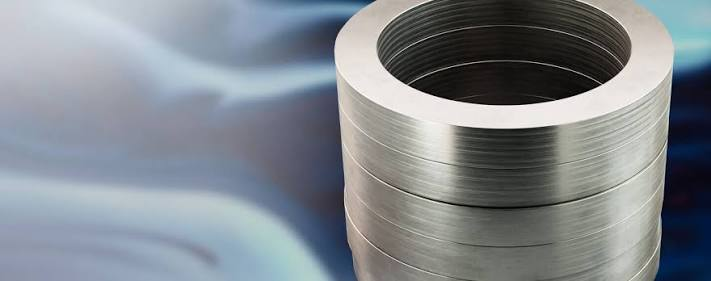
Graphite rings are circular components manufactured from graphite or graphite-based materials. Graphite is a form of carbon known for its thermal stability, lubricating properties, and resistance to many chemicals.
Industrial graphite rings may be produced from flexible graphite, molded graphite, or specialized composite materials. Some designs include reinforcing materials to improve mechanical strength and handling characteristics.
These rings serve different functions depending on the equipment and application. Some are used as static gaskets between stationary surfaces, while others operate in dynamic sealing systems involving rotating or moving components.
Their performance depends on the graphite grade, ring geometry, surface finish, and installation method. Engineers select specific designs based on the required sealing capability and operating environment.
Types of Graphite Rings
Different industrial applications require different graphite ring designs. Understanding these options helps buyers select suitable components.
1. Flexible Graphite Rings
Flexible graphite rings are commonly manufactured by compressing expanded graphite into a dense sealing material. They are valued for their adaptability and ability to conform to mating surfaces.
These rings are frequently used in valves, flanges, pumps, and industrial piping systems. Their flexibility helps create an effective seal when properly installed and compressed.
2. Molded Graphite Rings
Molded graphite rings are manufactured by shaping graphite-based materials into specific dimensions. The manufacturing process allows producers to create components for specialized equipment.
These rings may be used in industrial machinery, high-temperature assemblies, and applications requiring precise shapes. Their suitability depends on material density, strength, and operating conditions.
3. Braided Graphite Packing Rings
Braided graphite packing rings are made from graphite yarns or graphite-based fibers formed into sealing rings. They are often installed around rotating shafts or valve stems.
These products can help control leakage in pumps, mixers, and valves. Proper gland adjustment and installation are important for balancing sealing performance, friction, and equipment wear.
4. Reinforced Graphite Rings
Reinforced graphite rings incorporate materials such as metal foil or other reinforcement to improve structural stability. Reinforcement can help the component withstand demanding installation or operating conditions.
These rings are used in selected industrial sealing systems where additional mechanical support is required. Buyers should verify compatibility with the fluid, temperature, and pressure involved.
Key Properties of Graphite Rings
Graphite rings offer several material characteristics that make them useful in industrial environments.
- Heat resistance: Suitable graphite grades can operate at elevated temperatures within specified limits.
- Chemical resistance: Graphite resists many chemicals, although compatibility depends on the substance and operating conditions.
- Lubricating properties: Graphite has a naturally low-friction character that can benefit certain moving sealing systems.
- Thermal conductivity: Graphite can transfer heat effectively, depending on its grade and structure.
- Dimensional adaptability: Flexible graphite can conform to surface irregularities when correctly compressed.
- Versatile manufacturing: Graphite-based materials can be formed into rings for various equipment designs.
Not every graphite ring offers the same performance. Oxidizing atmospheres, pressure fluctuations, and material composition can significantly affect service life.
Industrial Applications of Graphite Rings
Graphite rings are used across industries that require reliable sealing and resistance to demanding conditions.
Chemical Processing Industry
Chemical plants use graphite rings in pumps, valves, piping systems, and other equipment exposed to industrial chemicals. Selecting a compatible graphite grade helps prevent premature material degradation.
Engineers must consider chemical concentration, temperature, pressure, and potential reactions before choosing a sealing component.
Oil and Gas Industry
Oil and gas facilities use industrial seals in equipment that handles hydrocarbons, process fluids, and gases. Graphite packing rings may be suitable for selected valves and rotating machinery.
Application requirements vary significantly, so operators should confirm the product’s pressure rating, temperature range, and leakage-control performance.
Power Generation
Power plants use sealing materials in steam systems, turbines, valves, and related equipment. Certain graphite rings are suitable for high-temperature service when designed and installed according to the manufacturer’s specifications.
Reliable sealing helps support equipment efficiency and reduce unplanned maintenance.
Automotive and Mechanical Engineering
Graphite-based sealing components are used in selected automotive systems and industrial machines. Their performance characteristics can be beneficial where heat and friction are important considerations.
The correct material must be chosen for the specific equipment, movement, load, and operating environment.
Benefits of Using Graphite Rings
Using appropriate graphite rings can provide several operational advantages.
First, they can maintain sealing performance under elevated temperatures when the material is rated for the application. This makes them useful in equipment where conventional elastomers may not be suitable.
Second, graphite’s lubricating properties can reduce friction in certain dynamic sealing arrangements. This may help limit wear when the ring is designed for the intended movement and contact conditions.
Third, flexible graphite rings can adapt to surface irregularities and help create a tight seal. This can support reliable operation when installation procedures and compression requirements are followed.
Graphite rings are also available in different sizes and material grades, making them adaptable to a wide range of industrial requirements.
However, their benefits depend on correct engineering selection. Excessive pressure, unsuitable chemicals, oxidation, or improper installation can reduce service life.
How to Choose the Right Graphite Rings
Selecting graphite rings involves evaluating the application and the component’s technical specifications.
Operating Temperature
Determine the minimum and maximum operating temperatures. Graphite can perform well at high temperatures, but oxidation and atmospheric conditions may limit its suitability. Always check the manufacturer’s temperature rating.
Pressure Requirements
Pressure affects how a sealing ring performs. Confirm the operating pressure, pressure fluctuations, and equipment design before choosing a product.
Chemical Compatibility
Identify the fluid or gas that will contact the ring. Some environments can damage graphite or its reinforcement, so compatibility should be verified with the manufacturer.
Dimensions and Tolerances
Measure the inner diameter, outer diameter, thickness, and any required installation tolerances. Incorrect dimensions may cause leakage, poor fitting, or premature wear.
Material Grade
Different graphite grades provide different levels of density, strength, flexibility, and purity. Choose a grade designed for the intended equipment and service conditions.
Installation and Maintenance of Graphite Rings
Proper installation is essential for achieving reliable sealing performance. Before installation, inspect the ring for cracks, deformation, contamination, or other visible damage.
Clean the mating surfaces and confirm that the component dimensions match the equipment specifications. Follow the manufacturer’s instructions for compression, tightening, and alignment.
For packing rings, install each ring carefully and position its joints according to the equipment manufacturer’s guidance. Incorrect installation can increase leakage or friction.
Routine maintenance should include checking for leakage, abnormal temperatures, excessive wear, and changes in equipment performance. Replace damaged rings promptly and investigate recurring failures to identify the underlying cause.
Always follow applicable safety procedures when maintaining pressurized or high-temperature equipment.
Common Problems and Their Solutions
Graphite rings may experience performance issues when the material or installation does not match the application.
Leakage: Incorrect dimensions, insufficient compression, damaged surfaces, or unsuitable material grades may cause leakage. Inspect the installation and verify the ring specifications.
Premature wear: Excessive movement, improper gland adjustment, or abrasive contaminants can contribute to wear. Review operating conditions and use a suitable design.
Material damage: Chemical incompatibility, oxidation, or excessive mechanical stress may damage the ring. Confirm material compatibility and operating limits.
Installation difficulties: Incorrect sizing or fragile handling can create problems. Use the specified installation tools and follow the manufacturer’s instructions.
Conclusion
Graphite rings are valuable sealing components for industrial systems that require thermal stability, chemical resistance, and dependable performance. They are available in flexible, molded, braided, and reinforced designs for applications across chemical processing, power generation, oil and gas, and mechanical engineering.
When selecting graphite rings, consider temperature, pressure, chemical compatibility, dimensions, and material grade. Proper installation and routine inspection can help improve sealing performance and extend component service life.
By working with a reliable manufacturer and following application-specific recommendations, businesses can choose graphite rings that meet their equipment requirements and support efficient industrial operations.
Frequently Asked Questions
What are graphite rings used for?
Graphite rings are used for sealing in pumps, valves, compressors, piping systems, and other industrial equipment.
Can graphite rings withstand high temperatures?
Many graphite rings can operate at elevated temperatures, but their limits depend on the material grade and surrounding atmosphere.
Are graphite rings resistant to chemicals?
Graphite resists many chemicals, but compatibility must be checked for the specific chemical, concentration, and operating conditions.
What is the difference between flexible and braided graphite rings?
Flexible graphite rings are typically formed from compressed expanded graphite, while braided graphite rings are made from graphite yarns or fibers for packing applications.
How long do graphite rings last?
Service life depends on temperature, pressure, chemical exposure, equipment movement, installation quality, and maintenance practices.
How do I select the correct graphite ring size?
Measure the required inner diameter, outer diameter, and thickness, then confirm the dimensions and tolerances with the equipment manufacturer or supplier.