
Introduction to Silicon Wafer Suppliers
A silicon wafer supplier plays an important role in the semiconductor industry. Silicon wafers are thin slices of highly purified silicon used to manufacture integrated circuits, microchips, sensors, solar cells, and other electronic components. As technology advances, the demand for reliable silicon wafer suppliers continues to grow across multiple industries.
Choosing the right supplier is essential for businesses that need consistent quality, dependable delivery, and materials that meet strict technical requirements. Semiconductor manufacturers, research laboratories, electronics companies, and solar technology producers all rely on silicon wafers for their operations.
A professional silicon wafer supplier provides different wafer sizes, thicknesses, surface finishes, and material specifications. Some suppliers focus on polished wafers for semiconductor fabrication, while others offer test wafers, epitaxial wafers, and specialty silicon materials.
Understanding supplier capabilities can help buyers make informed purchasing decisions. This guide explains silicon wafer types, supplier services, quality standards, and the factors to consider when selecting a suitable partner.
What Is a Silicon Wafer?
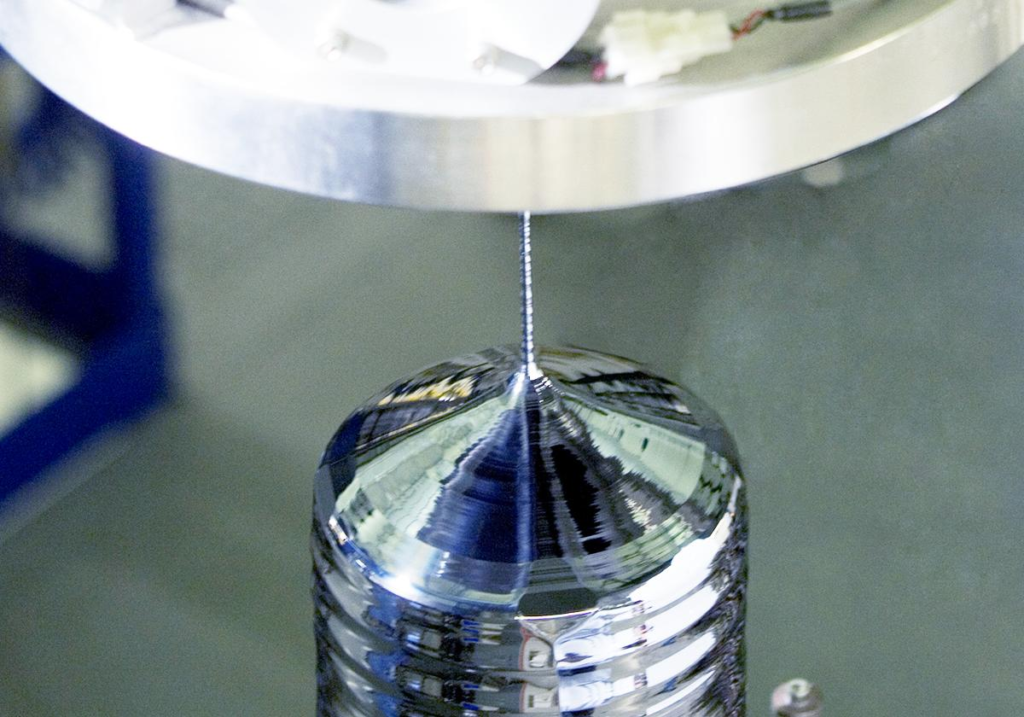
A silicon wafer is a thin, circular slice of crystalline silicon. It serves as the foundation for manufacturing many electronic devices. During semiconductor production, manufacturers process the wafer through several stages, including deposition, photolithography, etching, doping, and polishing.
These processes create the microscopic structures needed for electronic circuits. The wafer’s quality can influence manufacturing yield, device performance, and production costs.
Silicon wafers are available in various diameters, thicknesses, resistivity ranges, and crystal orientations. Common wafer diameters include 100 mm, 150 mm, 200 mm, and 300 mm. Smaller wafers are also used in research and specialized applications.
A reliable silicon wafer supplier helps customers identify materials that match their equipment, process requirements, and intended applications.
Types of Silicon Wafers Available
Silicon wafer suppliers typically offer several product categories to support different manufacturing needs.
1. Prime Silicon Wafers
Prime silicon wafers are manufactured to meet demanding specifications for semiconductor fabrication. They generally feature carefully controlled surface quality, thickness uniformity, and defect levels.
These wafers are suitable for applications where material consistency is critical. Integrated circuit manufacturers often require prime wafers to support advanced production processes.
2. Test and Dummy Wafers
Test wafers are used to evaluate manufacturing processes, equipment performance, and process conditions. Dummy wafers help fill process batches or support equipment testing without using expensive production-grade materials.
These products can help manufacturers reduce costs during process development and routine maintenance. Their exact specifications depend on the intended use.
3. Polished Silicon Wafers
Polished silicon wafers have a smooth surface created through specialized polishing processes. This surface quality is important for many semiconductor manufacturing steps.
Suppliers may provide single-side polished or double-side polished wafers. The appropriate option depends on the required surface finish, measurement accuracy, and fabrication process.
4. Epitaxial Silicon Wafers
Epitaxial silicon wafers feature a thin crystalline silicon layer grown on a silicon substrate. The added layer can provide specific electrical properties needed for particular semiconductor devices.
These wafers are used in applications such as power devices, discrete components, and selected integrated circuits. Buyers should confirm layer thickness, resistivity, and other relevant specifications.
5. Specialty Silicon Wafers
Specialty wafers may include high-resistivity silicon, heavily doped silicon, and wafers with specific crystal orientations. They serve applications requiring particular electrical or physical characteristics.
Research institutions and advanced electronics manufacturers often require these materials for specialized projects.
Industries That Depend on Silicon Wafer Suppliers
Silicon wafers support a wide range of technologies and industries.
- Semiconductor manufacturing: Wafers provide the substrate for integrated circuits and microprocessors.
- Consumer electronics: Smartphones, computers, and other electronic products depend on semiconductor components.
- Automotive technology: Silicon-based devices support control systems, power electronics, and vehicle sensors.
- Renewable energy: Silicon wafers are important materials in many crystalline silicon solar cells.
- Medical equipment: Semiconductor components power diagnostic equipment, monitoring devices, and medical instruments.
- Research and development: Universities and laboratories use wafers to test new materials and fabrication techniques.
A supplier with experience in the relevant industry can help buyers identify suitable products and avoid unnecessary specification mismatches.
Key Factors When Choosing a Silicon Wafer Supplier
Selecting a supplier involves more than comparing prices. Buyers should assess several factors before placing an order.
Product Quality and Specifications
Confirm that the supplier can meet your requirements for wafer diameter, thickness, resistivity, crystal orientation, surface finish, and defect levels.
Ask for technical datasheets and inspection reports where available. Clear documentation makes it easier to compare products and verify suitability.
Manufacturing Capabilities
Some suppliers manufacture wafers directly, while others distribute products from multiple manufacturers. Understanding their capabilities helps buyers evaluate production capacity, customization options, and technical support.
If your project requires specialty wafers, ask whether the supplier can meet the exact specifications or arrange custom production.
Quality Control
Consistent quality is essential for semiconductor applications. Ask about inspection procedures, traceability, packaging standards, and quality management systems.
For critical applications, buyers may require certificates of conformity or additional material documentation. Requirements should be agreed upon before production or shipment.
Pricing and Minimum Order Quantities
Silicon wafer prices vary depending on diameter, grade, surface treatment, quantity, and specification complexity.
Request a detailed quotation that includes unit pricing, minimum order quantities, packaging, shipping, and any customization costs. Comparing complete quotations provides a more accurate view of overall purchasing expenses.
Delivery and Availability
Reliable delivery helps prevent production delays. Ask about stock availability, manufacturing lead times, shipping methods, and order tracking.
For recurring requirements, discuss forecast planning and inventory arrangements with the supplier.
Understanding Silicon Wafer Specifications
Technical specifications are essential when purchasing silicon wafers. Even small differences may affect compatibility with manufacturing equipment or fabrication processes.
Important parameters include wafer diameter, thickness, resistivity, crystal orientation, flatness, and surface roughness.
Resistivity indicates how strongly the material resists electrical current. It is influenced by the wafer’s doping characteristics and is important for many semiconductor applications.
Crystal orientation describes the arrangement of atoms within the silicon crystal. Common orientations include (100) and (111), each suitable for different processes and applications.
Flatness and surface roughness affect wafer handling, lithography, and other manufacturing steps. Buyers should match these parameters to their process requirements instead of choosing products based on price alone.
Quality Standards and Documentation
A professional silicon wafer supplier should provide clear information about product specifications and quality controls.
Depending on the application, useful documentation may include technical datasheets, certificates of conformity, inspection results, batch identification, and material traceability records.
Buyers should also review packaging requirements. Silicon wafers are delicate and can be damaged by particles, scratches, contamination, or improper handling.
Clean packaging and appropriate shipping protection help preserve wafer quality during transportation. For semiconductor-grade materials, confirm whether the packaging and handling procedures match the cleanliness requirements of your facility.
Benefits of Working With a Reliable Supplier
Building a long-term relationship with a dependable silicon wafer supplier can offer several advantages.
First, consistent material quality supports stable manufacturing processes. Second, dependable delivery helps businesses plan production and manage inventory. Third, experienced suppliers may provide technical guidance when customers need to select specifications or evaluate alternative products.
Long-term partnerships can also simplify procurement. Established communication channels, agreed specifications, and repeat-order procedures reduce administrative work.
Businesses with regular wafer requirements may benefit from discussing volume pricing, supply agreements, and lead-time commitments. However, all quality requirements should remain clearly documented in any purchasing agreement.
Common Challenges in Silicon Wafer Procurement
Purchasing silicon wafers can involve several challenges. One common issue is selecting a wafer that does not match the required diameter, resistivity, or crystal orientation.
Another challenge is inconsistent quality between batches. This can be addressed by defining specifications clearly and requesting suitable inspection documentation.
Supply delays may also affect production schedules, particularly for specialty products or custom orders. Buyers can reduce this risk by confirming lead times early and maintaining communication with suppliers.
Finally, unusually low prices may indicate differences in grade, condition, or intended application. Always compare technical specifications before making a purchasing decision.
Future Trends in Silicon Wafer Supply
The semiconductor industry continues to evolve as demand grows for computing, artificial intelligence, electric vehicles, connected devices, and renewable energy technologies.
These developments create demand for silicon wafers with consistent quality and carefully controlled specifications. Suppliers are also responding to evolving customer needs through improved manufacturing processes, inspection methods, and supply chain management.
At the same time, manufacturers continue to explore advanced materials and specialized wafer technologies for applications where conventional silicon has limitations.
Businesses seeking a silicon wafer supplier should therefore consider both current requirements and future production plans. A supplier with strong technical capabilities and dependable operations can help support long-term growth.
Conclusion
Choosing the right silicon wafer supplier is an important step for semiconductor manufacturers, research laboratories, electronics businesses, and solar technology companies.
Buyers should evaluate product quality, technical specifications, manufacturing capabilities, quality documentation, pricing, and delivery reliability before placing an order. Understanding the differences between prime, polished, test, epitaxial, and specialty wafers also helps ensure the correct material is selected.
A dependable supplier offers more than a product. It provides consistent specifications, clear communication, reliable logistics, and technical support when needed.
By comparing suppliers carefully and defining requirements clearly, businesses can improve procurement decisions, reduce avoidable delays, and establish partnerships that support their long-term manufacturing goals.
Frequently Asked Questions
What does a silicon wafer supplier provide?
A silicon wafer supplier provides silicon wafers in different sizes, grades, surface finishes, and electrical specifications for semiconductor manufacturing, research, and other applications.
Which silicon wafer sizes are commonly available?
Common diameters include 100 mm, 150 mm, 200 mm, and 300 mm. Availability depends on the supplier and product type.
How do I choose the right silicon wafer?
Consider diameter, thickness, resistivity, crystal orientation, surface finish, defect requirements, and compatibility with your manufacturing process.
What is the difference between prime and test wafers?
Prime wafers are designed for demanding production applications, while test wafers are commonly used for process development, equipment testing, and evaluation.
Can silicon wafer suppliers provide customized specifications?
Some suppliers offer customized specifications or specialty wafers. Buyers should confirm manufacturing capabilities, minimum quantities, and lead times.
Why is wafer quality important?
Wafer quality can affect manufacturing yield, device performance, process consistency, and production costs. Clear specifications and quality documentation help reduce procurement risks.