
Introduction to Freight Elevator Manufacturers
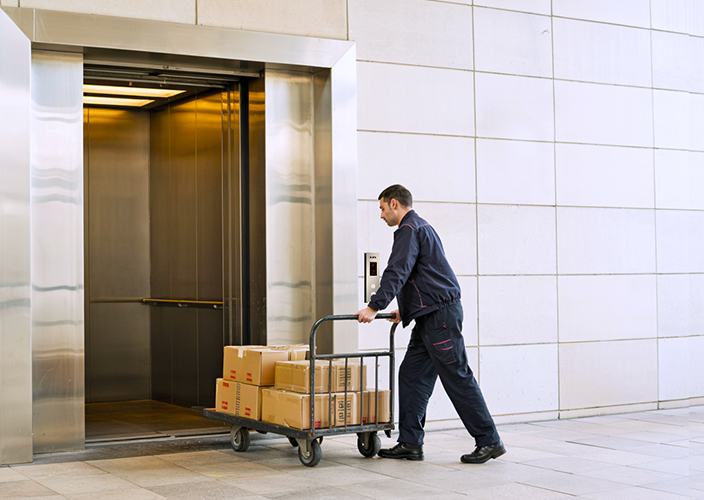
A freight elevator is an essential part of many industrial and commercial facilities. It helps businesses transport heavy goods, equipment, raw materials, and products between different floors safely and efficiently. Warehouses, factories, shopping centers, hospitals, and distribution centers often depend on freight elevators to improve daily operations.
Choosing the right freight elevator manufacturer is important for ensuring reliable performance, workplace safety, and long-term value. A professional manufacturer can provide elevator systems designed for specific load capacities, building layouts, and operating requirements.
Modern freight elevators are available in different designs and configurations. Some are built for transporting pallets and industrial machinery, while others are suitable for moving packaged products, furniture, and commercial supplies. Understanding the available options can help businesses select an elevator that meets their operational needs.
What Is a Freight Elevator?
A freight elevator is a lifting system designed primarily to move goods rather than passengers. It generally features a strong platform or cabin, reinforced flooring, and durable components that support heavy loads.
Unlike standard passenger elevators, freight elevators are designed for demanding working environments. Their construction focuses on durability, load handling, and practical access for loading and unloading goods.
Freight elevators can be installed in new buildings or integrated into existing facilities, depending on the building structure and technical requirements. Their capacity, speed, dimensions, and door configuration vary according to the intended application.
A reliable manufacturer evaluates these requirements before recommending an appropriate system.
Types of Freight Elevators
Freight elevator manufacturers offer several types of systems to meet different industrial needs.
Hydraulic Freight Elevators
Hydraulic freight elevators use a hydraulic system to raise and lower the elevator platform. They are commonly used in low-rise buildings, workshops, warehouses, and commercial facilities.
These elevators can handle substantial loads and may offer flexible installation options. However, their suitability depends on factors such as lifting height, duty cycle, available space, and maintenance requirements.
Traction Freight Elevators
Traction elevators use a motor-driven rope and pulley system to move the elevator cabin. They are often considered for buildings that require greater travel heights or frequent movement between multiple floors.
Depending on the design, traction systems can provide efficient operation in demanding commercial and industrial environments.
Heavy-Duty Industrial Freight Elevators
Heavy-duty freight elevators are designed for applications involving large or exceptionally heavy materials. They may include reinforced platforms, robust guide rails, specialized doors, and customized loading arrangements.
These systems are often used in manufacturing plants, logistics centers, and industrial facilities where equipment and materials must be moved regularly.
Customized Freight Elevators
Some businesses require elevators with nonstandard dimensions, special loading access, or specific environmental protections. A manufacturer can design a customized solution based on the building layout and operating conditions.
Key Features of a Reliable Freight Elevator
When evaluating a freight elevator manufacturer, it is important to review the features offered by its equipment.
Load capacity: The elevator should safely handle the maximum expected load, including pallets, carts, machinery, and other materials.
Platform dimensions: The platform must accommodate the size and shape of the goods being transported.
Durable construction: Strong structural components and suitable flooring help support repeated industrial use.
Safety systems: Appropriate safety features may include overload protection, door interlocks, emergency stopping systems, and protective devices.
Smooth operation: Reliable controls and suitable drive systems help reduce unnecessary delays during loading and unloading.
Maintenance access: Equipment should be designed so qualified technicians can inspect and service essential components efficiently.
The exact features available depend on the elevator model, applicable regulations, and the manufacturer’s specifications.
Industrial Applications of Freight Elevators
Freight elevators support material handling across a wide range of industries.
Warehouses and Distribution Centers
Warehouses use freight elevators to transport cartons, pallets, inventory, and packaging materials between floors. Efficient vertical transportation helps organize storage areas and streamline order fulfillment.
Manufacturing Facilities
Factories often need to move raw materials, production components, and finished goods between production lines and storage areas. Heavy-duty elevators can support these workflows when properly specified.
Retail and Commercial Buildings
Large retail stores and commercial properties use freight elevators to move merchandise, furniture, and supplies. Separate goods transportation can also help reduce congestion in passenger areas.
Hospitals and Healthcare Facilities
Some healthcare facilities use dedicated service elevators to transport supplies, equipment, laundry, and waste. Their design must account for hygiene, operational requirements, and applicable building standards.
Construction and Industrial Sites
Freight elevators may also support the movement of tools, building materials, and equipment within suitable structures. The elevator type must match the site conditions and intended use.
Benefits of Working With an Experienced Freight Elevator Manufacturer
Selecting an experienced manufacturer can provide several advantages.
First, professional guidance helps businesses identify an elevator that matches their load capacity, travel height, and usage frequency. This reduces the risk of selecting equipment that cannot support daily operations.
Second, quality manufacturing can contribute to dependable performance and a longer service life when combined with correct installation and maintenance.
Third, customization allows businesses to address specific site challenges. For example, a facility may need wider doors, a larger platform, or access from multiple sides.
An experienced manufacturer should also provide clear technical documentation, operating instructions, maintenance recommendations, and information about available spare parts.
After-sales support is another important consideration. Timely technical assistance can help reduce downtime and maintain safe operation.
How to Choose the Best Freight Elevator Manufacturer
Finding the right supplier requires more than comparing prices. Businesses should assess several important factors before making a decision.
Check Industry Experience
Review the manufacturer’s experience with industrial lifting systems and similar projects. Experience in your particular industry can be valuable because different facilities have different material-handling requirements.
Review Product Specifications
Ask for detailed specifications covering rated load, platform dimensions, travel height, operating speed, power requirements, and expected duty cycle.
These details help determine whether the proposed elevator fits the building and intended application.
Verify Safety and Compliance
Confirm that the equipment meets the applicable local building codes, elevator regulations, and recognized safety standards. Ask about testing, inspections, certification, and installation requirements.
Compare Warranty and Maintenance Support
A suitable warranty and accessible service support can help control long-term ownership costs. Ask about maintenance schedules, replacement parts, technician availability, and response times.
Request a Detailed Quotation
A quotation should explain the elevator configuration, installation scope, electrical work, delivery arrangements, warranty coverage, and exclusions. Comparing quotations with the same technical requirements makes the decision more meaningful.
Importance of Freight Elevator Safety
Safety must remain a priority throughout the elevator’s service life. Correct installation, regular inspections, and preventive maintenance help identify potential problems before they become serious.
Operators should follow the manufacturer’s instructions and avoid exceeding the rated load. Goods must be positioned securely, and doors should remain clear during loading and unloading.
Only qualified personnel should perform repairs, adjustments, and technical inspections. Businesses should also train relevant employees on safe loading procedures and emergency protocols.
A responsible freight elevator manufacturer provides documentation that supports safe operation and helps facility managers understand equipment limitations.
Maintenance Tips for Freight Elevators
Routine maintenance helps keep freight elevators reliable and safe. The maintenance schedule should follow the manufacturer’s recommendations and applicable regulations.
Important maintenance activities include inspecting doors and interlocks, checking control systems, examining mechanical components, and monitoring unusual sounds or vibrations.
Hydraulic systems may require checks for leaks and fluid condition, while traction systems require appropriate inspection of ropes, brakes, and drive components.
Any abnormal operation should be reported promptly. Businesses should avoid continuing to use equipment that may present a safety risk until it has been assessed by qualified technicians.
Keeping maintenance records also helps track recurring issues and plan future repairs.
Future Trends in Freight Elevator Technology
Freight elevator technology continues to develop as businesses seek greater efficiency and improved safety. Modern systems may include advanced control panels, energy-efficient drives, remote monitoring, and diagnostic tools.
Smart monitoring can help maintenance teams identify performance changes and schedule servicing more effectively. Energy-saving technologies may also reduce electricity consumption, depending on the system design and usage patterns.
Manufacturers are increasingly focused on providing solutions that support changing warehouse layouts, growing production demands, and more efficient material handling.
When considering new technology, businesses should evaluate its practical benefits, compatibility, service requirements, and total cost of ownership.
Conclusion
Choosing the right freight elevator manufacturer is an important decision for any business that relies on safe and efficient movement of heavy goods. The ideal manufacturer should offer suitable equipment, clear technical specifications, reliable safety features, and dependable after-sales support.
Before purchasing, evaluate load capacity, platform dimensions, building requirements, maintenance needs, and regulatory compliance. Comparing detailed quotations and reviewing the manufacturer’s experience can also help you make a well-informed decision.
With the right freight elevator and a proper maintenance plan, businesses can improve material handling, reduce unnecessary delays, and support long-term operational efficiency.
Frequently Asked Questions
1. What does a freight elevator manufacturer do?
A freight elevator manufacturer designs and produces elevators intended for transporting goods, materials, and equipment. Depending on the company, services may also include customization, installation support, and maintenance assistance.
2. How do I choose the right freight elevator capacity?
Calculate the maximum expected weight of the goods and handling equipment transported together. Then select a system with an appropriate rated capacity based on professional assessment and applicable safety requirements.
3. Which type of freight elevator is best for warehouses?
The best type depends on building height, load requirements, usage frequency, available space, and budget. Hydraulic and traction systems may both be suitable for different warehouse applications.
4. How often should a freight elevator be maintained?
Maintenance frequency depends on the elevator design, operating conditions, manufacturer’s recommendations, and local regulations. Regular inspections and preventive servicing are essential.
5. Can freight elevators be customized?
Yes. Depending on the application, manufacturers may offer customized platform sizes, load capacities, door arrangements, controls, and other features.
6. What should I ask a freight elevator manufacturer before purchasing?
Ask about load capacity, dimensions, applicable certifications, installation requirements, warranty, maintenance support, spare parts, delivery timelines, and total project cost.