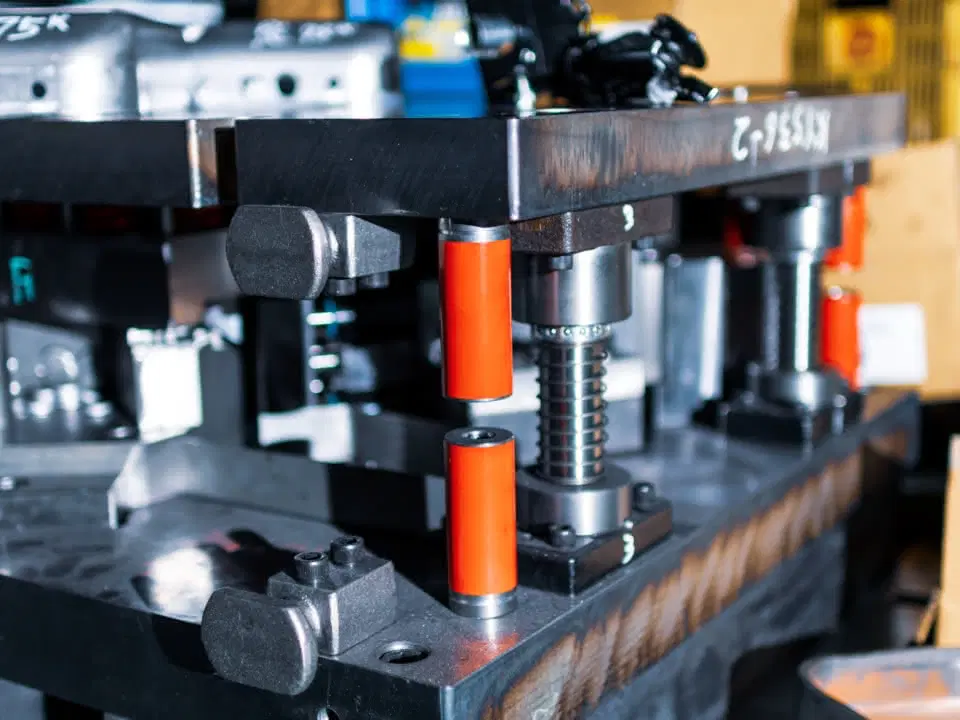

Introduction to Non-Metallic Stamping
Non-metallic stamping is a manufacturing process used to cut, shape, press, or form materials that are not made from metal. It is widely used in industries that require accurate components made from materials such as rubber, plastic, paper, foam, fabric, and composite sheets. This process helps manufacturers produce parts with consistent shapes, sizes, and designs.
Unlike traditional metal stamping, which uses metal sheets and specialized dies, non-metallic stamping focuses on softer or non-metallic materials. Depending on the material and product design, manufacturers may use mechanical presses, cutting dies, hydraulic equipment, or specialized forming systems.
Non-metallic stamping is important in industries such as automotive manufacturing, electronics, packaging, construction, medical supplies, and consumer goods. It supports the production of gaskets, seals, insulation pads, protective layers, and other precision components.
Understanding the materials, methods, applications, and advantages of non-metallic stamping can help businesses choose suitable manufacturing solutions for their specific needs.
What Is Non-Metallic Stamping?
Non-metallic stamping is a manufacturing technique that uses pressure, dies, or cutting tools to transform non-metallic sheet materials into specific shapes. Depending on the application, the process may involve cutting, punching, embossing, pressing, or forming.
Manufacturers begin with a suitable material, such as a rubber sheet, plastic film, foam board, or fiber-based sheet. The material is positioned beneath a die or cutting tool, which applies controlled force to create the desired shape.
Some processes produce flat components, while others create patterns, impressions, or formed features. The exact method depends on the material’s thickness, flexibility, strength, and intended use.
For example, a manufacturer may use non-metallic stamping to produce rubber seals for machinery or foam pads for electronic devices. The process can support both small production batches and high-volume manufacturing.
Common Materials Used in Non-Metallic Stamping
Material selection is an important part of non-metallic stamping because different materials respond differently to pressure and cutting forces.
1. Rubber
Rubber is commonly used to manufacture seals, gaskets, vibration pads, and protective components. Its flexibility and resistance to deformation make it suitable for applications that require cushioning or sealing.
Natural and synthetic rubber materials may be selected according to temperature, chemical exposure, and mechanical requirements.
2. Plastic Sheets
Plastic materials are widely used because they offer different levels of flexibility, rigidity, and chemical resistance. Depending on the polymer, stamped plastic components may be used in electronics, packaging, appliances, and automotive assemblies.
Manufacturers must select a suitable cutting or forming method to avoid cracking, melting, or unwanted deformation.
3. Foam Materials
Foam sheets are useful for cushioning, insulation, shock absorption, and packaging. Non-metallic stamping can produce foam pads, inserts, spacers, and protective shapes with consistent dimensions.
The type and density of foam influence cutting quality and the final component’s performance.
4. Paper and Cardboard
Paper and cardboard are frequently stamped or die-cut to create packaging inserts, labels, decorative designs, and protective partitions.
These materials are suitable for high-volume production because they can often be processed quickly with relatively simple tooling.
5. Fabric and Composite Materials
Technical fabrics, fiber sheets, and certain composite materials can also be processed using specialized stamping or die-cutting equipment. Applications include filtration components, insulation layers, protective covers, and industrial pads.
The appropriate process depends on the material structure and the required edge quality.
How Does Non-Metallic Stamping Work?
The non-metallic stamping process generally involves several stages, although the exact workflow varies by material and equipment.
First, the manufacturer selects a suitable sheet material based on the component’s intended function. The material is inspected to ensure that its thickness, surface quality, and dimensions meet production requirements.
Next, a die or cutting tool is prepared according to the required shape. The material is positioned accurately, and the machine applies controlled pressure to cut, punch, or form the component.
After processing, the finished parts are removed and inspected. Depending on the application, additional steps may include trimming, cleaning, laminating, printing, or assembly.
Quality checks help verify dimensional accuracy, edge condition, and material integrity. For larger production runs, automated feeding and inspection systems can improve consistency and reduce manual handling.
Types of Non-Metallic Stamping Processes
Several techniques can be used to process non-metallic materials.
Die Cutting
Die cutting uses a specially shaped cutting tool to produce components from sheet materials. It is commonly used for rubber gaskets, foam inserts, paper products, and adhesive components.
Punching
Punching creates holes or openings in a material. It is useful for producing components that require ventilation holes, mounting points, or specific internal shapes.
Embossing
Embossing creates raised or recessed patterns on a material’s surface. Depending on the material and tooling, it can improve appearance, provide identification features, or create functional surface textures.
Press Forming
Press forming uses pressure to shape compatible materials into a desired profile. The process may require specialized tooling, controlled temperatures, or material conditioning.
Kiss Cutting
Kiss cutting cuts through the top layer of a material without completely cutting through its backing. It is often used for adhesive labels, decals, protective films, and other layered products.
Benefits of Non-Metallic Stamping
Non-metallic stamping offers several advantages for manufacturers across different industries.
High Production Efficiency
Once the correct tooling is prepared, the process can produce many identical components in a relatively short time. This makes it suitable for repetitive manufacturing tasks and larger production volumes.
Consistent Component Shapes
Properly designed dies help produce components with repeatable dimensions. Consistency is important when parts must fit into assemblies or meet specific product requirements.
Reduced Material Waste
Efficient nesting and die layouts can help manufacturers use sheet materials more effectively. Lower waste can reduce raw material costs, especially when processing expensive specialty materials.
Design Flexibility
Non-metallic stamping supports a wide range of shapes, holes, patterns, and component profiles. Manufacturers can select suitable tooling to meet different design requirements.
Cost-Effective Manufacturing
For suitable production volumes, stamping can reduce the time required to manufacture individual components. Although tooling may involve an initial cost, repeated production can make the process economical.
Lightweight Components
Many non-metallic materials are lighter than metal. Stamped plastic, foam, and rubber parts can therefore help reduce product weight while providing cushioning, insulation, sealing, or protection.
Applications of Non-Metallic Stamping
Non-metallic stamping is used in many industries because it can produce specialized components from different materials.
Automotive industry: Rubber gaskets, foam seals, vibration pads, and interior insulation components.
Electronics industry: Insulation sheets, protective films, adhesive pads, and cushioning components.
Packaging industry: Cardboard inserts, foam packaging, labels, and custom protective shapes.
Construction industry: Sealing strips, insulation layers, protective pads, and selected building components.
Medical industry: Certain disposable components, seals, and material layers produced under appropriate cleanliness and quality controls.
Consumer products: Appliance seals, protective covers, foam inserts, and decorative components.
Each application requires material selection and production controls that match the component’s operating conditions.
Choosing the Right Non-Metallic Stamping Equipment
Selecting suitable equipment begins with understanding the material and the component design.
Manufacturers should consider material thickness, hardness, flexibility, and resistance to tearing or deformation. These characteristics influence the required cutting force, die design, and machine settings.
Production volume is another important factor. Manual or simple press systems may be suitable for smaller batches, while automated systems can support larger manufacturing operations.
Tooling quality also matters. Well-designed dies help maintain dimensional consistency and reduce defects. Businesses should evaluate tooling durability, replacement costs, and availability of spare parts.
Other considerations include machine safety, ease of adjustment, maintenance requirements, and operator training. Before selecting equipment, manufacturers should request sample production or testing to confirm that the process meets their quality standards.
Quality Control in Non-Metallic Stamping
Quality control helps ensure that stamped components perform as intended. Manufacturers should inspect incoming materials for thickness variations, surface damage, and other defects.
During production, operators should monitor tool alignment, cutting pressure, material positioning, and machine performance. Incorrect settings may cause rough edges, incomplete cuts, cracks, or dimensional inconsistencies.
Finished components should be checked against the required specifications. Depending on the application, inspections may include measurements, visual checks, flexibility tests, or functional evaluations.
Regular die maintenance is also important. Worn or damaged tooling can reduce edge quality and increase rejection rates.
A structured quality-control process helps reduce waste, maintain consistency, and improve customer satisfaction.
Challenges in Non-Metallic Stamping
Although non-metallic stamping offers many benefits, it also presents certain challenges. Soft materials may stretch during cutting, while brittle plastics can crack under excessive force. Foam may compress, and adhesive materials can stick to tooling.
Material thickness variations can also affect finished dimensions. In addition, some materials require specialized tools or carefully controlled processing conditions.
Manufacturers can address these challenges by selecting appropriate materials, optimizing tooling design, adjusting machine settings, and conducting regular quality inspections. Testing samples before full production can help identify potential problems early.
Future Trends in Non-Metallic Stamping
Advances in manufacturing technology are creating new opportunities for non-metallic stamping. Automated material feeding, precision tooling, and digital production monitoring can improve productivity and reduce processing errors.
Manufacturers are also exploring recyclable plastics, bio-based materials, and more efficient material layouts to reduce environmental impact. The suitability of these materials depends on their mechanical properties and intended applications.
Flexible production systems are becoming increasingly valuable as businesses manufacture components in different shapes, sizes, and material combinations. These developments can help manufacturers respond to changing customer requirements while maintaining consistent quality.
Frequently Asked Questions
1. What is non-metallic stamping used for?
It is used to produce components from materials such as rubber, plastic, foam, paper, and selected composites.
2. Which materials are suitable for non-metallic stamping?
Suitable materials include rubber sheets, plastic films, foam, cardboard, adhesive materials, and certain technical fabrics.
3. Is non-metallic stamping cost-effective?
Yes. It can be cost-effective for repetitive production because suitable tooling allows manufacturers to produce consistent components quickly.
4. What industries use non-metallic stamping?
Automotive, electronics, packaging, construction, medical manufacturing, and consumer goods industries use the process.
5. What is the difference between metal and non-metallic stamping?
Metal stamping primarily shapes or cuts metal sheets, while non-metallic stamping processes materials such as rubber, plastic, foam, and paper using methods suited to their properties.
6. How can manufacturers improve stamping quality?
They can improve quality through proper material selection, accurate tooling, suitable machine settings, regular maintenance, and consistent inspections.
Conclusion
Non-metallic stamping is a valuable manufacturing process for producing accurate components from rubber, plastic, foam, paper, and other non-metallic materials. It offers benefits such as production efficiency, consistent shapes, design flexibility, and reduced material waste.
By selecting the right materials, tooling, and equipment, manufacturers can produce components that meet specific performance and quality requirements. As automation and material technology continue to develop, non-metallic stamping will remain an important solution for modern manufacturing applications.