
What Is a Shisha Tobacco Mixing Machine?
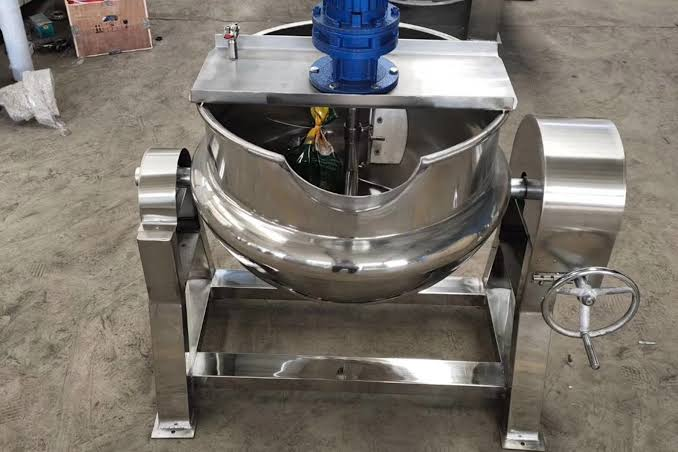
A shisha tobacco mixing machine is specialized equipment designed to combine tobacco with ingredients such as flavoring, molasses, glycerin, and other formulation components. Shisha tobacco, also known as hookah tobacco or shisha molasses, requires thorough and consistent mixing to create a uniform product.
In small-scale production, these ingredients may be mixed manually. However, manual mixing can become difficult when production volumes increase. A machine provides controlled and repeatable mixing, helping manufacturers achieve a more consistent texture and distribution of ingredients.
Modern mixing equipment is available in different sizes and configurations. The appropriate choice depends on production volume, formulation characteristics, cleaning requirements, and the desired level of automation.
Why Is Proper Mixing Important?
Proper mixing is one of the most important stages in shisha tobacco production. Tobacco leaves and other ingredients need to be distributed evenly throughout the mixture.
If mixing is inconsistent, some portions may contain more flavoring or moisture than others. This can affect the texture, aroma, moisture level, and overall consistency of the finished product.
A suitable mixing machine helps distribute ingredients throughout the batch. Consistent mixing can also make the production process easier to repeat when manufacturers produce the same formulation multiple times.
For commercial operations, repeatability is especially important because customers generally expect the same product characteristics from one batch to another.
Main Components of a Shisha Tobacco Mixing Machine
A typical mixing machine contains several important components that work together to process the formulation.
Mixing Tank
The mixing tank or chamber holds the tobacco and other ingredients during processing. Its size determines the approximate batch capacity.
Tanks are commonly designed with smooth internal surfaces to make cleaning easier and reduce material buildup.
Mixing Blades or Paddles
Mixing blades, paddles, or similar mechanisms move the ingredients through the chamber. Their shape and movement are selected according to the consistency of the mixture.
Different formulations may require different mixing actions to achieve uniform distribution without unnecessarily damaging the tobacco.
Drive System
The drive system powers the mixing mechanism. It may include an electric motor, gearbox, and other mechanical components.
A properly selected drive system provides sufficient power for the material being processed while supporting reliable operation.
Control Panel
Automated machines may include a control panel that allows operators to adjust mixing parameters. Depending on the model, controls can include mixing time, speed, and operating cycles.
Clear controls make it easier for operators to repeat established production procedures.
How Does a Shisha Tobacco Mixing Machine Work?
The basic operation begins by loading the required ingredients into the mixing chamber. Depending on the production system, ingredients may be added manually or through separate feeding equipment.
Once the materials are loaded, the machine starts the mixing cycle. The blades or paddles move the tobacco and other ingredients throughout the chamber.
The mixing action helps distribute moisture and flavoring ingredients through the tobacco. Operators may monitor the process and stop the machine when the desired consistency has been reached.
After mixing, the finished material can be transferred to the next production stage. This may include resting, quality inspection, filling, packaging, or storage according to the manufacturer’s process.
The exact procedure varies according to the formulation, equipment design, and applicable manufacturing requirements.
Types of Mixing Machines
Different mixing systems can be used for shisha tobacco production.
Horizontal Mixing Machines
Horizontal mixers use a horizontally positioned chamber with rotating mixing elements. They can be suitable for processing relatively large batches and may provide efficient movement of the material.
These machines are often considered when manufacturers need consistent batch processing and convenient material discharge.
Vertical Mixing Machines
Vertical mixers use a vertically arranged chamber. Their compact design can be useful where floor space is limited.
The mixing mechanism moves material through the chamber to help achieve an even blend.
Paddle Mixers
Paddle mixers use broad mixing elements that move materials through the chamber. They can be suitable for products requiring controlled and relatively gentle mixing.
Ribbon Mixers
Ribbon mixers use ribbon-shaped blades arranged around a central shaft. Their design is commonly associated with blending different materials throughout a batch.
The appropriate mixer depends on the formulation, batch size, material characteristics, and desired production process.
Benefits of Using a Shisha Tobacco Mixing Machine
A dedicated mixing machine can provide several advantages for commercial manufacturers.
Consistent Mixing
The primary benefit is repeatable mixing. Controlled machine operation can help distribute ingredients more consistently than manual mixing.
Higher Production Capacity
Machines can process larger quantities than manual methods, helping manufacturers increase production capacity as demand grows.
Reduced Manual Labor
Automated or semi-automated mixing reduces repetitive physical work. Operators can focus on monitoring production, quality checks, and other tasks.
Better Process Control
Machines with adjustable controls allow manufacturers to establish repeatable mixing cycles. This can make production easier to standardize.
Improved Workflow
A mixing machine can be integrated into a broader production line, helping manufacturers move materials efficiently between processing stages.
Reduced Batch Variation
Consistent machine operation can help reduce differences between batches when the same formulation and process parameters are used.
Factors to Consider When Choosing a Mixing Machine
Selecting the right equipment requires careful evaluation of production requirements.
Batch Capacity
Determine how much material needs to be processed in each batch. Choosing a machine that is too small can slow production, while an unnecessarily large machine may increase costs.
Mixing Performance
The machine should provide suitable mixing action for the formulation. Manufacturers should consider whether the product requires gentle blending or stronger agitation.
Material Construction
The parts that contact the product should be made from materials appropriate for the formulation and cleaning process. Stainless steel is commonly considered for applications requiring durable and hygienic surfaces.
Cleaning and Maintenance
Easy cleaning is important when different flavors or formulations are produced. Equipment with accessible surfaces and removable components can simplify cleaning procedures.
Automation Level
Small operations may prefer semi-automatic equipment, while larger facilities may benefit from automated systems with programmable controls.
Supplier Support
Availability of spare parts, technical assistance, operator training, and maintenance support should also be considered before purchasing equipment.
Hygiene and Cleaning Requirements
Cleaning is an important part of any food, tobacco, or consumer-product manufacturing process. Residual material from previous batches can affect subsequent products if equipment is not properly cleaned.
Operators should follow the equipment manufacturer’s cleaning instructions and applicable production standards. Product-contact surfaces should be inspected regularly for buildup.
When switching between flavors or formulations, businesses may require additional cleaning procedures to minimize cross-contamination and unwanted flavor transfer.
Maintenance should also include checking seals, bearings, blades, shafts, and other mechanical components for wear.
A documented cleaning and maintenance schedule can help keep equipment in suitable operating condition.
Quality Control During Mixing
Quality control helps manufacturers maintain consistent product characteristics. Raw materials should be checked before they enter the mixing process.
During production, operators can monitor factors such as mixing time, batch size, ingredient quantities, and machine settings. These parameters should be recorded when appropriate so that successful batches can be reproduced.
After mixing, the finished product can be evaluated for consistency, moisture distribution, appearance, and other relevant characteristics.
For commercial production, testing procedures should follow applicable regulations and the manufacturer’s quality system.
Applications of Shisha Tobacco Mixing Machines
Shisha tobacco mixing machines are primarily used in commercial manufacturing environments where different ingredients need to be blended consistently.
They can support the production of flavored shisha products with different formulations and batch sizes. Depending on the equipment, machines may be used by specialized manufacturers, contract producers, and facilities producing multiple product varieties.
Some operations may also integrate mixing equipment with material handling, filling, packaging, and labeling systems to create a more streamlined workflow.
The machine itself does not determine the final product quality. Raw material quality, formulation, processing conditions, hygiene, storage, and quality control all contribute to the finished product.
Maintenance Tips for Mixing Equipment
Regular maintenance helps extend machine life and reduce unexpected downtime.
Operators should inspect mixing blades, shafts, seals, bearings, and drive components according to the manufacturer’s recommended schedule. Any unusual vibration, noise, leakage, or change in mixing performance should be investigated.
The mixing chamber should be cleaned after production according to established procedures. Electrical components should be protected from moisture and cleaned according to the manufacturer’s instructions.
Lubrication and replacement of wear components should follow the equipment supplier’s recommendations.
Proper operator training is also important. Employees should understand machine controls, loading limits, emergency procedures, and cleaning requirements before operating the equipment.
Future Trends in Mixing Technology
Mixing technology continues to become more automated and precise. Digital controls can help operators monitor production parameters and create repeatable processing cycles.
Some modern systems may incorporate sensors and automated monitoring to improve process control. Automated material loading and discharge systems can further reduce manual handling.
Manufacturers are also looking for equipment that is easier to clean, more energy efficient, and flexible enough to process multiple formulations.
As production requirements evolve, adaptable mixing systems can help businesses improve efficiency while maintaining consistent manufacturing practices.
Frequently Asked Questions
1. What is a shisha tobacco mixing machine?
It is specialized equipment designed to blend tobacco with compatible ingredients used in shisha tobacco formulations.
2. Why use a machine instead of manual mixing?
A machine can provide more consistent mixing, increase production capacity, reduce repetitive labor, and improve process repeatability.
3. What size mixing machine should I choose?
The appropriate size depends on batch volume, production frequency, available space, and future production requirements.
4. Are mixing machines easy to clean?
Many machines are designed with smooth and accessible product-contact surfaces, but cleaning requirements vary by equipment and formulation.
5. Can one machine handle different flavors?
Some machines can process multiple formulations, but thorough cleaning between batches may be necessary to reduce flavor carryover.
6. What should I check before buying a mixing machine?
Consider capacity, mixing mechanism, construction materials, controls, cleaning requirements, maintenance needs, safety features, and supplier support.
Conclusion
A shisha tobacco mixing machine can play an important role in commercial shisha tobacco manufacturing by providing controlled and repeatable blending. Compared with manual methods, suitable machinery can improve consistency, increase production capacity, reduce repetitive labor, and streamline manufacturing workflows.
When selecting equipment, manufacturers should carefully consider batch capacity, mixing technology, construction materials, cleaning requirements, automation, maintenance, and technical support. Proper operation and regular maintenance are equally important for reliable performance.
With suitable equipment and well-controlled production procedures, manufacturers can create a more consistent and efficient mixing process while maintaining appropriate quality and hygiene standards.
Do you like this personality?