
Choosing the right Trash Can Manufacturer is essential for businesses, commercial facilities, residential properties, and public spaces that need reliable waste management solutions. Trash cans are more than simple containers; they play an important role in maintaining cleanliness, improving hygiene, organizing waste, and supporting environmental sustainability. A professional manufacturer provides durable, functional, and cost-effective products designed to meet different waste disposal requirements.
With growing awareness of cleanliness and environmental protection, the demand for high-quality trash cans continues to increase. From small indoor bins to large outdoor waste containers, manufacturers offer a wide variety of products for different industries and applications. Understanding the manufacturing process, available materials, product features, and selection criteria can help buyers make informed purchasing decisions.
What Does a Trash Can Manufacturer Do?
A trash can manufacturer specializes in designing, producing, and supplying waste containers for residential, commercial, industrial, and public applications. These manufacturers use different materials, including plastic, stainless steel, galvanized steel, and other durable metals, to create products suitable for various environments.
The manufacturing process generally includes product design, material selection, molding or metal fabrication, assembly, quality inspection, and packaging. Depending on customer requirements, manufacturers may also provide customized sizes, colors, shapes, branding, and waste segregation features.
A reliable manufacturer focuses on product durability, usability, safety, and cost efficiency. By combining modern production techniques with quality materials, manufacturers help customers find suitable waste management products for everyday use.
Types of Trash Cans Available
A professional trash can manufacturer usually offers a broad product range to meet different waste collection needs.
- Plastic trash cans: Lightweight, affordable, and resistant to moisture, making them suitable for homes, offices, schools, and commercial spaces.
- Stainless steel trash cans: Attractive, durable, and easy to clean, making them popular in kitchens, hotels, hospitals, and modern offices.
- Outdoor trash cans: Designed to withstand weather conditions and frequent use in parks, streets, gardens, and public areas.
- Industrial waste bins: Heavy-duty containers designed for factories, warehouses, workshops, and other demanding environments.
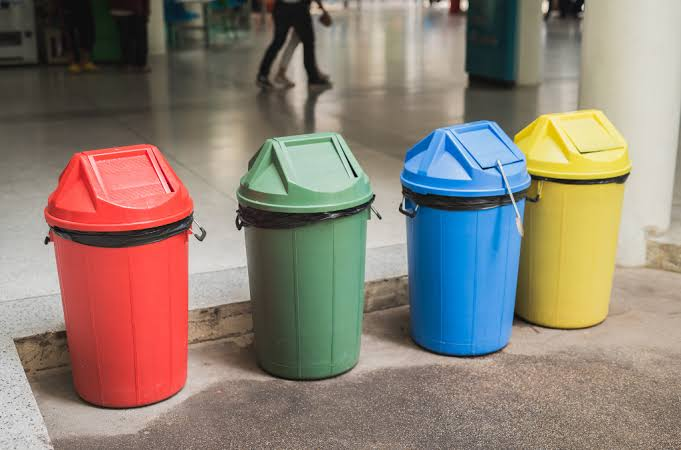
- Recycling bins: Specially designed containers that help separate paper, plastic, glass, metal, and other recyclable materials.
- Pedal trash cans: Hands-free bins that allow users to open the lid with a foot pedal, helping improve hygiene.
- Commercial garbage containers: Larger-capacity products suitable for restaurants, shopping centers, office buildings, and institutions.
Selecting the appropriate type depends on the amount of waste generated, the installation environment, cleaning requirements, and the available budget.
Materials Used in Trash Can Manufacturing
Material selection is one of the most important factors affecting the performance and lifespan of a trash can. Different materials offer different advantages depending on their intended application.
Plastic is widely used because it is lightweight, economical, and resistant to corrosion. High-density polyethylene (HDPE) is commonly used for durable bins, particularly where impact resistance and outdoor performance are important. Polypropylene is another option for certain indoor and commercial applications.
Stainless steel is preferred for products that require an attractive appearance, durability, and easy cleaning. It is frequently used in hotels, restaurants, offices, and healthcare environments. However, its suitability depends on the steel grade and the conditions in which it will be used.
Galvanized and coated steel can provide strength for outdoor and industrial waste containers. Buyers should consider corrosion protection, load capacity, cleaning requirements, and exposure to moisture before choosing a material.
A dependable trash can manufacturer explains these material options and helps customers select products that balance quality, performance, and cost.
Key Features of a High-Quality Trash Can
Not all waste containers offer the same level of performance. When comparing manufacturers, buyers should evaluate several important product features.
- Durability: Strong materials and quality construction help products withstand regular use.
- Easy cleaning: Smooth surfaces and removable inner buckets can simplify maintenance.
- Practical design: Suitable shapes and dimensions make bins easier to position and use.
- Secure lids: Properly designed lids help contain odors and prevent unwanted access to waste.
- Mobility: Wheels and ergonomic handles make large containers easier to move.
- Hygienic operation: Pedal-operated or touch-free designs can reduce direct contact with lids.
- Recycling support: Clearly identified compartments encourage proper waste separation.
- Weather resistance: Outdoor models should be suitable for sunlight, rain, and temperature variations.
These features help businesses choose products that improve cleanliness while reducing replacement and maintenance costs.
Benefits of Working With a Professional Trash Can Manufacturer
Partnering with an experienced manufacturer offers several advantages for businesses and bulk purchasers. One major benefit is access to a consistent product range. Customers can purchase different sizes, colors, and designs from a single supplier, simplifying procurement.
Manufacturers may also offer wholesale pricing for large orders. This can be beneficial for distributors, retailers, contractors, hospitality businesses, and organizations managing multiple facilities.
Another advantage is product customization. Depending on production capabilities, manufacturers may offer company logos, branded colors, customized dimensions, specialized lids, or separate compartments for recyclable materials.
Quality control is equally important. A manufacturer with clear inspection procedures can help reduce defects and ensure products meet agreed specifications. Buyers should request relevant product documentation and samples when appropriate.
Working directly with a manufacturer may also improve communication regarding order quantities, production schedules, packaging, and delivery arrangements.
Industries That Need Trash Can Manufacturing Solutions
Trash cans are essential across many industries, and each sector has different waste collection requirements.
Residential properties: Homes and apartment buildings require convenient bins for kitchens, bathrooms, bedrooms, gardens, and shared areas.
Hospitality businesses: Hotels, restaurants, cafes, and resorts need attractive, durable, and easy-to-clean containers for guest areas, kitchens, and service spaces.
Healthcare facilities: Hospitals and clinics require waste containers appropriate for their cleaning procedures and waste segregation policies. Specialized healthcare waste must be handled according to applicable regulations.
Educational institutions: Schools, colleges, and universities need bins for classrooms, cafeterias, playgrounds, hallways, and outdoor spaces.
Manufacturing facilities: Factories and warehouses often require large, robust containers that can handle higher waste volumes and demanding working conditions.
Municipal authorities: Local governments use outdoor bins and collection containers to support public cleanliness, street maintenance, and waste collection programs.
By understanding the needs of each industry, manufacturers can develop products that improve waste handling and operational efficiency.
How to Choose the Right Trash Can Manufacturer
Finding a reliable supplier requires more than comparing prices. Buyers should evaluate product quality, manufacturing capabilities, service standards, and long-term value.
- Review product quality: Ask about raw materials, construction methods, durability testing, and quality control procedures.
- Check product variety: Choose a supplier that offers the sizes, designs, and capacities required for your applications.
- Evaluate customization: If branding or special dimensions are important, confirm the manufacturer’s customization capabilities.
- Compare pricing: Request quotations that clearly identify product specifications, order quantities, packaging, and delivery charges.
- Confirm production capacity: For wholesale purchases, ensure the supplier can meet the required quantities and delivery schedule.
- Assess communication: A professional manufacturer should respond clearly to questions and provide accurate product information.
- Review compliance: Check whether products meet the relevant safety, material, environmental, or industry requirements for your market.
- Request samples: When practical, inspect samples before placing a large order.
Taking these steps can help buyers establish a dependable supply relationship and avoid unnecessary purchasing risks.
The Importance of Sustainable Trash Can Manufacturing
Sustainability has become an important consideration in the waste management industry. Manufacturers are increasingly evaluating material efficiency, product longevity, recyclability, and responsible production methods.
Durable waste containers can reduce the frequency of replacement, helping limit material consumption over time. Products made with recycled content may also support resource conservation when the material is appropriate for the intended application.
Some manufacturers design modular products with replaceable wheels, lids, or other components. This approach can make repairs easier and extend product life.
Recycling bins are another important part of sustainable waste management. Color-coded containers and clearly marked compartments can help people separate recyclable materials from general waste.
Buyers interested in sustainability should ask manufacturers about recycled materials, product recyclability, packaging practices, and relevant environmental certifications. Specific environmental claims should be supported by reliable documentation rather than assumptions.
Custom Trash Can Manufacturing for Businesses
Customization is valuable for companies that need products tailored to their operational requirements. A manufacturer may be able to adjust container capacity, dimensions, colors, lid styles, handles, wheels, or internal compartments.
Retailers and distributors may request private-label products featuring their own branding. Hotels and corporate offices may prefer designs that match their interior appearance. Municipal projects may require standardized colors, clear waste identification, and outdoor-resistant construction.
Before requesting a customized order, buyers should provide detailed specifications, expected quantities, intended use, and any applicable technical requirements. They should also confirm minimum order quantities, tooling costs, sample approval procedures, production lead times, and packaging options.
Clear communication at the beginning of a project helps ensure that the finished products meet expectations.
Wholesale and Bulk Trash Can Purchasing
Wholesale purchasing is an effective option for businesses that require large quantities of waste containers. Buying in bulk can reduce the unit price and simplify procurement, particularly for distributors, retailers, property managers, and government projects.
However, the lowest quoted price does not always represent the best overall value. Buyers should compare material quality, product lifespan, shipping costs, warranty terms, and the supplier’s ability to fulfill repeat orders.
It is also important to understand how products will be packaged and transported. Large containers may require careful shipment planning to manage storage space and freight expenses.
A professional trash can manufacturer should provide a clear quotation, realistic production timelines, and transparent ordering terms. These details help businesses manage costs and maintain reliable inventory levels.
Future Trends in Trash Can Manufacturing
The trash can manufacturing industry continues to evolve as customers seek more convenient, hygienic, and sustainable products. Touch-free bins, improved ergonomic designs, specialized recycling containers, and durable outdoor products are among the important product categories.
Some waste management systems also incorporate sensors that monitor container fill levels. These technologies can help commercial facilities and municipal operators plan collection schedules more efficiently, although their suitability depends on budget and operational needs.
Manufacturers are also exploring designs that simplify maintenance, improve material efficiency, and support waste separation. As customer expectations change, companies that invest in product development and reliable quality control can better respond to market demand.
Conclusion
Choosing the right trash can manufacturer is an important step toward improving waste collection, maintaining cleanliness, and managing costs effectively. Whether you need household bins, commercial containers, industrial waste solutions, or customized recycling products, the right supplier can provide products suited to your requirements.
Before making a purchase, consider material quality, durability, product design, manufacturing capacity, customization options, pricing, and delivery reliability. It is also worth evaluating the manufacturer’s approach to sustainability and long-term customer support.
By selecting a dependable manufacturer and investing in suitable waste containers, businesses and individuals can create cleaner, more organized environments while supporting responsible waste management practices.