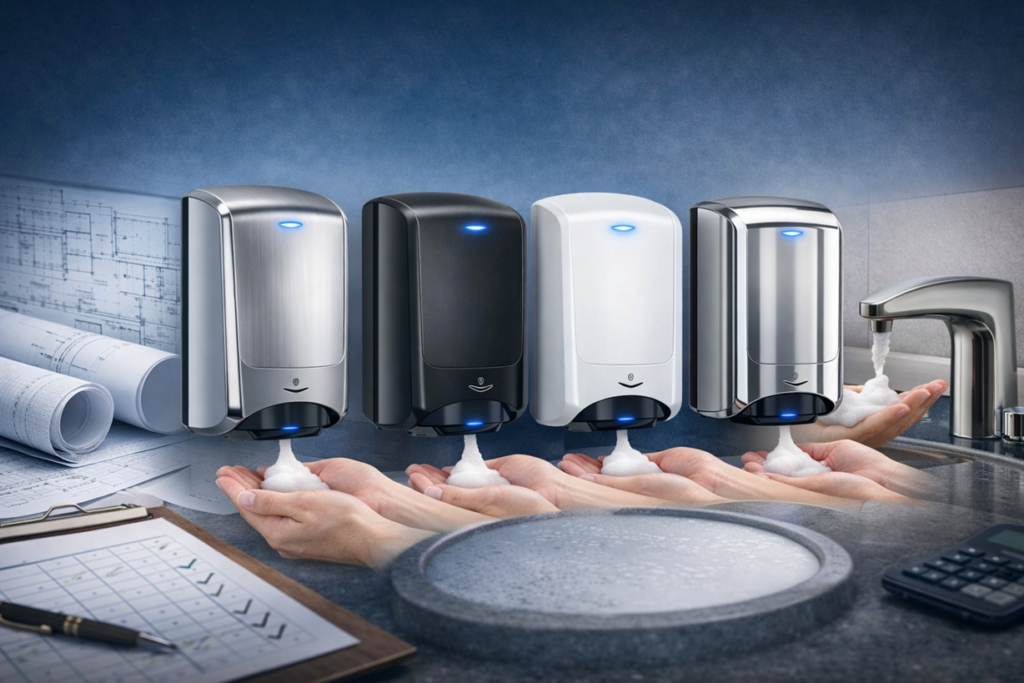

Introduction to Commercial Soap Dispensers
A Commercial Soap Dispenser is an essential hygiene product designed for businesses, public facilities, and commercial environments where cleanliness and handwashing are priorities. These dispensers provide a convenient and hygienic way to distribute liquid soap, foam soap, or other handwashing products. They are commonly installed in restaurants, hotels, offices, hospitals, shopping malls, schools, and public restrooms.
Maintaining proper hand hygiene helps reduce the spread of germs and creates a cleaner environment for employees, customers, and visitors. A reliable commercial soap dispenser makes handwashing easier while helping businesses manage soap consumption and maintain professional restroom facilities.
Unlike ordinary household dispensers, commercial models are generally designed for frequent use, durability, and easy maintenance. They are available in different materials, sizes, designs, and dispensing mechanisms to meet the requirements of various commercial spaces.
What Is a Commercial Soap Dispenser?
A commercial soap dispenser is a device that stores and dispenses soap in controlled quantities. It can be mounted on a wall, installed on a countertop, or positioned near sinks in high-traffic areas.
These dispensers are designed to handle repeated use throughout the day. Depending on the model, users can operate them manually by pressing a button or lever, or automatically through a touchless sensor.
Commercial soap dispensers help businesses maintain organized washroom facilities and encourage visitors to follow proper handwashing practices. Many models also include refillable containers, transparent viewing windows, lockable covers, and adjustable dispensing mechanisms.
Choosing the right dispenser depends on factors such as the number of users, available installation space, preferred soap type, and maintenance requirements.
Types of Commercial Soap Dispensers
Commercial soap dispensers are available in several types to suit different environments and budgets.
Here are the most common options:
- Manual Soap Dispensers: These models require users to press a button, push a lever, or operate a pump to release soap. They are generally affordable, easy to install, and suitable for offices, schools, restaurants, and other commercial facilities.
- Automatic Soap Dispensers: Automatic dispensers use sensors to release soap without requiring physical contact. They are a popular choice for hospitals, hotels, airports, and modern commercial restrooms where touchless operation is preferred.
- Wall-Mounted Soap Dispensers: These dispensers attach directly to a wall near the sink. They help save counter space, keep wash areas organized, and are suitable for public restrooms and commercial kitchens.
- Countertop Soap Dispensers: Countertop models are installed on or placed near sinks. They can complement modern restroom designs and work well in hotels, offices, and other facilities where the counter layout allows their use.
- Liquid Soap Dispensers: These models are designed specifically for liquid hand soap. They are widely used because liquid soap is available in many formulations and is suitable for a broad range of commercial applications.
- Foam Soap Dispensers: Foam dispensers convert compatible soap into a foamy consistency. Depending on the product and dispensing system, they may help control the amount of soap used per wash.
- Bulk-Fill Soap Dispensers: These dispensers feature refillable reservoirs that can be replenished from larger soap containers. They may be economical for facilities with frequent usage, provided that refilling and cleaning procedures are followed correctly.
- Cartridge-Based Soap Dispensers: These systems use compatible replacement cartridges. They can simplify refilling and help reduce spills, although replacement cartridges may cost more than bulk soap.
Benefits of Using a Commercial Soap Dispenser
Installing a commercial soap dispenser offers several advantages for businesses and public facilities.
Improved Hygiene
A properly maintained dispenser provides convenient access to soap, encouraging regular handwashing. Touchless models further reduce the need to touch shared surfaces during soap dispensing.
Controlled Soap Consumption
Commercial dispensers release a measured quantity of soap with each activation. This can help reduce unnecessary dispensing and improve inventory management.
Professional Appearance
Modern dispensers are available in attractive finishes, including stainless steel, white, black, and chrome. The right design can complement a business’s overall restroom appearance.
Long-Term Durability
Many commercial models use durable plastic or stainless steel components designed for frequent operation. Selecting a suitable model can reduce replacement frequency and maintenance costs.
Convenient Maintenance
Refillable reservoirs and replaceable cartridges can simplify routine servicing. Clear viewing windows and refill indicators also help staff identify when additional soap is required.
Better User Experience
A well-positioned dispenser makes soap easy to access for employees, customers, and visitors. This improves the convenience of handwashing in busy commercial environments.
Where Are Commercial Soap Dispensers Used?
Commercial soap dispensers are useful in many industries and facilities.
- Hotels: Help maintain clean guest bathrooms, lobby restrooms, and staff wash areas.
- Restaurants: Support handwashing practices in employee restrooms and designated handwashing stations.
- Hospitals and Clinics: Provide convenient access to handwashing products in appropriate hygiene areas.
- Offices: Keep employee and visitor restrooms organized and functional.
- Schools and Universities: Offer practical handwashing solutions for students, teachers, and staff.
- Shopping Malls: Support high-traffic public restrooms with durable dispensing systems.
- Factories and Warehouses: Provide access to soap in employee washrooms and designated cleaning areas.
- Gyms and Fitness Centers: Help maintain hygiene in locker rooms, changing areas, and shared facilities.
- Airports and Transportation Hubs: Provide convenient handwashing facilities for large numbers of travelers.
When selecting a dispenser for a specific setting, consider the number of daily users, cleaning frequency, environmental conditions, and the type of soap required.
How to Choose the Best Commercial Soap Dispenser
Selecting the right commercial soap dispenser involves more than comparing prices. Businesses should evaluate the product’s performance, durability, capacity, and compatibility with their facilities.
Consider the following factors before purchasing:
- Usage Volume: High-traffic restrooms generally benefit from dispensers with sufficient capacity to reduce refill frequency.
- Material Quality: Stainless steel is often suitable for environments requiring a durable, professional finish. High-quality plastic can provide a lightweight and budget-friendly alternative.
- Dispensing Mechanism: Choose manual models for simplicity or automatic models when touchless operation is a priority.
- Soap Compatibility: Confirm that the dispenser supports the intended liquid soap, foam soap, or approved refill cartridge.
- Installation Requirements: Check wall space, mounting hardware, accessibility, and proximity to the sink.
- Maintenance Needs: Look for accessible refill compartments, easy-to-clean surfaces, and replacement parts when required.
- Design and Appearance: Select a finish that complements the restroom’s fixtures and overall interior design.
- Budget: Compare the purchase price with ongoing soap costs, replacement cartridges, battery requirements, and maintenance expenses.
- Warranty and Support: Review the warranty terms and availability of replacement components before making a large purchase.
A dispenser that matches the facility’s daily needs can offer better value over time than a cheaper product that requires frequent repairs or replacement.
Commercial Soap Dispenser Materials and Designs
The material used in a commercial soap dispenser affects its appearance, durability, and maintenance requirements.
Stainless steel dispensers are popular in premium commercial washrooms because they provide a modern appearance and are generally resistant to corrosion when the correct grade and finish are used. They can be suitable for hotels, offices, restaurants, and other professional environments.
Plastic dispensers are lightweight and often more affordable. They are available in various colors and designs, making them practical for schools, public restrooms, and budget-conscious facilities.
Some models combine metal covers with plastic internal components to balance appearance, weight, and cost.
Design is also important. A wall-mounted dispenser can create a neat and organized wash area, while a sleek automatic model may suit a contemporary restroom. Businesses should prioritize functionality, ease of cleaning, and compatibility with existing fixtures alongside appearance.
Installation and Maintenance Tips
Proper installation and regular maintenance help keep a commercial soap dispenser functioning reliably.
Follow these recommendations:
- Install the dispenser in an accessible position near the handwashing sink.
- Follow the manufacturer’s mounting instructions and use appropriate fixing hardware.
- Refill the unit before the soap supply runs out.
- Clean the exterior regularly to remove soap residue, dust, and fingerprints.
- Follow the manufacturer’s instructions for cleaning refillable reservoirs.
- Avoid mixing incompatible soap products or topping up containers without following the recommended cleaning procedure.
- Check pumps, valves, sensors, and dispensing nozzles for blockages or damage.
- Replace batteries in automatic models when needed.
- Inspect wall-mounted units periodically to ensure that mounting brackets remain secure.
- Use only compatible refills and replacement parts.
For facilities such as hospitals, restaurants, and commercial kitchens, maintenance schedules should align with applicable hygiene requirements and workplace procedures.
Commercial Soap Dispenser Price and Cost Considerations
The price of a commercial soap dispenser varies according to its material, capacity, dispensing mechanism, brand, and features.
Basic manual plastic models are typically more affordable, while stainless steel units and automatic touchless dispensers may cost more. Cartridge-based systems can also involve ongoing expenses for proprietary refills.
When comparing options, businesses should consider the total cost of ownership rather than the initial purchase price alone.
Important cost factors include:
- Initial purchase and installation costs
- Soap consumption per user
- Refill or cartridge prices
- Battery replacement costs for automatic models
- Cleaning and maintenance requirements
- Expected product lifespan
- Warranty coverage and spare-part availability
Buying multiple dispensers for a large facility may provide opportunities for bulk pricing. However, product quality, soap compatibility, and supplier reliability should remain important purchasing considerations.
Why Quality Matters When Buying a Commercial Soap Dispenser
A high-quality commercial soap dispenser can support efficient restroom management and provide a better experience for users. Poorly designed products may leak, clog, dispense inconsistent amounts of soap, or require frequent repairs.
Businesses should look for products with reliable dispensing mechanisms, durable construction, practical refill systems, and clear installation instructions.
It is also helpful to choose a supplier that provides accurate product specifications, warranty information, and access to compatible refills or replacement components.
Before placing a large order, evaluate whether the dispenser is suitable for the intended environment. A model designed for a low-traffic office may not be the best option for a busy airport or shopping center.
Conclusion
A commercial soap dispenser is a practical investment for any business or facility that values hygiene, convenience, and professional presentation. From manual wall-mounted models to advanced automatic touchless systems, there are many options available to suit different applications and budgets.
When choosing a dispenser, consider usage volume, construction materials, soap compatibility, installation requirements, maintenance needs, and long-term operating costs. The right choice can help control soap consumption, simplify restroom maintenance, and encourage consistent handwashing.
Whether you manage a hotel, restaurant, hospital, school, office, or public facility, selecting a dependable commercial soap dispenser can contribute to a cleaner and more welcoming environment. By prioritizing quality, functionality, and user convenience, businesses can choose a solution that meets their needs and delivers lasting value.