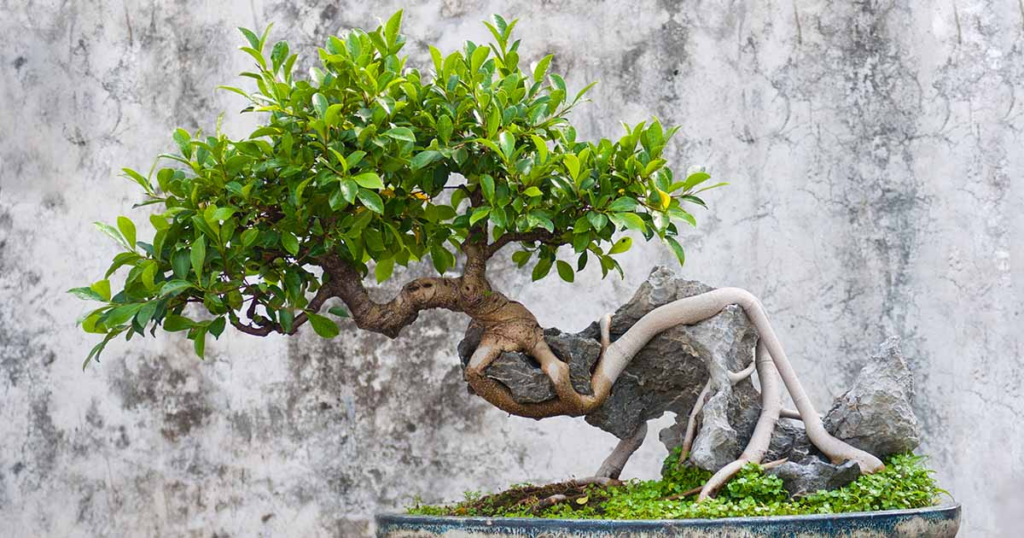

The Chinese ficus is a popular ornamental plant known for its attractive foliage, elegant appearance, and ability to enhance indoor and outdoor spaces. It is widely appreciated by plant lovers, gardeners, and homeowners because of its versatility and relatively manageable care requirements. Whether you want to decorate your living room, office, garden, or patio, the Chinese ficus can be an excellent addition to your plant collection.
Chinese ficus commonly refers to Ficus microcarpa, a tropical evergreen tree in the mulberry family, Moraceae. It is also known as Chinese banyan, Indian laurel fig, or simply ficus. Some varieties are grown as bonsai trees because their small leaves, strong trunks, and attractive aerial roots create a miniature tree-like appearance.
In this article, we will explore everything you need to know about the Chinese ficus, including its characteristics, benefits, growing conditions, watering requirements, pruning techniques, and common problems.
1. What Is a Chinese Ficus?
The Chinese ficus is an evergreen plant native to tropical and subtropical regions of Asia and nearby areas. It grows naturally in warm climates and can develop into a large tree when planted outdoors under suitable conditions.
Its glossy green leaves, dense canopy, and distinctive trunk make it an attractive decorative plant. Indoor varieties are often maintained at a smaller size through pruning and shaping. Bonsai enthusiasts particularly value this plant because it responds well to careful trimming and can develop an impressive, mature appearance.
Chinese ficus plants are available in different forms, from young potted specimens to mature bonsai trees. Their adaptability makes them suitable for homes, offices, conservatories, and tropical gardens.
2. Key Characteristics of Chinese Ficus
The Chinese ficus has several features that make it stand out among ornamental plants.
- Evergreen foliage: It generally retains its green leaves throughout the year in suitable conditions.
- Glossy leaves: Its smooth, oval-shaped leaves provide a fresh and attractive appearance.
- Strong trunk: Mature plants develop sturdy trunks that can become thick and visually interesting.
- Aerial roots: In humid tropical environments, some specimens develop aerial roots that add character to the plant.
- Versatile growth: It can be grown as a tree, shrub, container plant, or bonsai.
- Adaptability: It can tolerate some variation in growing conditions once established, although consistent care encourages healthier growth.
- Decorative value: Its dense foliage and attractive structure make it suitable for many landscaping and interior design styles.
These characteristics make Chinese ficus a popular choice for people who appreciate natural greenery and elegant plant shapes.
3. Benefits of Growing Chinese Ficus
Growing a Chinese ficus offers several practical and decorative benefits. One of its greatest advantages is its ability to bring a natural appearance to indoor and outdoor environments.
Enhances Interior Decoration
A Chinese ficus can improve the appearance of living rooms, offices, reception areas, and other indoor spaces. Its glossy leaves create a refreshing visual contrast with furniture, wooden floors, and neutral-colored walls.
Small specimens can be placed on desks or shelves, while larger plants work well in decorative floor pots.
Suitable for Bonsai
Chinese ficus is a favored bonsai species because it can develop a thick trunk, respond well to pruning, and produce dense foliage. With patience and regular maintenance, growers can shape it into attractive miniature trees.
Useful for Landscaping
In warm climates, Chinese ficus can be grown outdoors as a shade tree, hedge, or ornamental specimen. Its dense canopy can provide shade, while its evergreen foliage helps maintain visual interest throughout the year.
Long-Term Growing Potential
With suitable conditions and proper care, a Chinese ficus can live for many years. This makes it a rewarding choice for gardeners who enjoy nurturing plants over time.
Although houseplants can contribute to a pleasant indoor environment, a Chinese ficus should not be considered a replacement for proper ventilation or air filtration.
4. Ideal Growing Conditions for Chinese Ficus
Providing suitable growing conditions is essential for maintaining a healthy Chinese ficus. Light, temperature, humidity, and soil all influence its growth.
Light Requirements
Chinese ficus generally grows best in bright, indirect light when kept indoors. A position near a well-lit window can provide suitable illumination. Some gentle morning sunlight can also be beneficial.
Avoid moving an indoor plant suddenly into intense direct sunlight, as its leaves may develop sunburn. If you want to grow it outdoors, gradually introduce it to stronger light.
Insufficient light can lead to weak growth, sparse foliage, and leaf loss. Rotating the pot occasionally can help the plant receive more even light.
Temperature and Humidity
As a tropical plant, Chinese ficus prefers warm conditions. Typical indoor temperatures are often suitable, provided the plant is protected from cold drafts and sudden temperature changes.
Moderate to high humidity can support healthy growth, particularly in warm environments. However, good air circulation is also important.
Avoid placing the plant directly beside air conditioners, heaters, or frequently opened cold windows. Sudden environmental changes may cause leaf drop.
Soil Requirements
Chinese ficus needs a well-draining growing medium. Soil that retains excessive water can deprive the roots of oxygen and encourage root rot.
A suitable potting mix should retain some moisture while allowing excess water to drain freely. A quality indoor potting mix amended with perlite or another drainage-improving material can work well.
Always choose a pot with drainage holes.
5. How to Water Chinese Ficus
Watering is one of the most important parts of Chinese ficus care. Both overwatering and prolonged underwatering can damage the plant.
Before watering, check the upper layer of the soil with your finger. If the surface has begun to dry, assess the moisture slightly below it. Water when the soil has dried to an appropriate depth for the plant and pot size.
When watering, apply enough water to moisten the root zone and allow excess water to escape through the drainage holes. Empty any water collected in the saucer rather than allowing the pot to sit in it.
Watering frequency depends on several factors, including temperature, humidity, light exposure, pot size, and soil composition. Plants in warm, bright conditions may need water more frequently than those in cooler, darker locations.
Do not follow a rigid watering schedule without checking the soil. Observing the plant and its growing medium is a more reliable approach.
6. Fertilizing Chinese Ficus for Healthy Growth
Fertilizer supplies nutrients that help the Chinese ficus produce healthy leaves, stems, and roots. During active growth, a balanced liquid fertilizer formulated for indoor plants can be applied according to the manufacturer’s instructions.
Fertilizing every few weeks during the growing season may be suitable, depending on the product and growing conditions. Reduce or stop feeding when growth slows significantly, particularly during cooler months.
Avoid applying fertilizer to extremely dry soil because concentrated nutrients may damage the roots. Overfertilizing can also cause leaf-tip browning, salt buildup, and unhealthy root growth.
If the plant is growing in fresh, nutrient-rich potting soil, it may not require additional fertilizer immediately after repotting.
7. Pruning and Shaping Chinese Ficus
Pruning helps maintain the shape, size, and appearance of a Chinese ficus. It is particularly important for bonsai specimens and plants grown in limited indoor spaces.
Use clean, sharp pruning shears to remove dead, damaged, or diseased branches. You can also trim excessively long shoots to encourage a fuller appearance and maintain the desired shape.
For bonsai cultivation, pruning can help create a balanced canopy and emphasize the trunk’s natural structure. However, avoid removing too much foliage at once, especially if the plant is stressed or unhealthy.
Chinese ficus may release a milky sap when cut. Avoid contact with the sap, particularly if you have sensitive skin, and wash your hands after pruning.
Regular light trimming is generally easier on the plant than frequent, severe pruning.
8. Repotting Chinese Ficus
Repotting provides fresh growing medium and additional space when the roots become crowded. A Chinese ficus may need repotting when roots emerge from the drainage holes, water passes through the pot unusually quickly, or root growth becomes visibly restricted.
Choose a container with drainage holes that is only moderately larger than the existing pot. A container that is excessively large may hold more moisture than the roots can use.
Carefully remove the plant from its current pot and inspect the root system. Trim away any clearly dead or rotten roots with clean tools, then place the plant in fresh, well-draining soil.
After repotting, water appropriately and keep the plant in a stable environment. Avoid heavy fertilization immediately after the process while the roots adjust.
Bonsai trees often require specialized repotting techniques and more restrained root pruning to preserve their shape and health.
9. Common Chinese Ficus Problems
Even a healthy plant can experience occasional problems. Recognizing the symptoms early helps prevent more serious damage.
- Yellow leaves: These may indicate overwatering, poor drainage, insufficient light, or natural aging.
- Leaf drop: Sudden changes in temperature, light, watering, or location can trigger leaf loss.
- Brown leaf edges: Low humidity, irregular watering, fertilizer buildup, or root problems may be responsible.
- Pests: Scale insects, spider mites, mealybugs, and aphids can sometimes affect ficus plants.
- Root rot: Constantly wet soil and poor drainage can cause roots to deteriorate.
To address these issues, inspect the leaves, stems, soil, and roots. Adjust watering practices, improve drainage, and provide suitable light.
If pests are present, isolate the affected plant when possible and remove visible insects. Use an appropriate insecticidal soap or other labeled treatment according to its instructions. Repeated inspections may be necessary to control an infestation.
Avoid treating every problem with extra water or fertilizer. Identifying the underlying cause is the most effective way to restore plant health.
10. How to Propagate Chinese Ficus
Chinese ficus can be propagated through stem cuttings, although success depends on the plant’s condition and the growing environment.
Choose a healthy stem and make a clean cutting with a sterilized tool. Remove the lower leaves and place the cutting in a suitable propagation medium that remains lightly moist but not waterlogged.
Warm temperatures, bright indirect light, and adequate humidity can encourage root development. A clear propagation cover may help maintain humidity, but ensure some ventilation to reduce the risk of fungal problems.
Rooting can take several weeks or longer. Avoid pulling on the cutting repeatedly to check for roots, as this can damage developing root systems.
Once the cutting has developed a healthy root system and shows new growth, it can gradually be moved into a more permanent container.
11. Is Chinese Ficus Safe for Homes and Pets?
Chinese ficus can be grown indoors, but care is needed around children and pets. Like other ficus plants, it contains a milky sap that may irritate the skin.
Ingestion can cause irritation or digestive discomfort in pets. For this reason, place the plant where curious animals and young children cannot chew its leaves or stems.
Wear gloves if you have sensitive skin when pruning or handling damaged branches. If a person or pet ingests the plant and develops symptoms, seek appropriate medical or veterinary advice.
Keeping the plant out of reach and cleaning up fallen leaves are simple ways to reduce unnecessary exposure.
12. Indoor vs. Outdoor Chinese Ficus
Chinese ficus can thrive indoors or outdoors when its growing conditions are appropriate.
Indoor plants benefit from bright light, stable temperatures, and controlled watering. They are often kept in decorative containers and pruned to maintain a manageable size.
Outdoor plants generally need more space and may develop into much larger trees in suitable tropical or subtropical climates. They can be used in gardens, courtyards, and landscaped areas.
Before planting Chinese ficus in the ground, consider its mature size and root system. Large specimens may develop extensive roots that can interfere with paving, drainage systems, and nearby structures. Local growing conditions and planting regulations should also be considered.
Conclusion
The Chinese ficus is an attractive and versatile plant that can bring lasting beauty to homes, offices, gardens, and bonsai collections. Its glossy green leaves, strong trunk, and adaptable growth habit make it appealing to beginners and experienced gardeners alike.
To grow a healthy Chinese ficus, provide bright light, warm temperatures, well-draining soil, and careful watering. Regular pruning, appropriate fertilization, and occasional repotting can help maintain its appearance and encourage healthy development.
By paying attention to the plant’s changing needs and addressing problems early, you can enjoy the beauty of Chinese ficus for many years. Whether you prefer a compact indoor specimen, an artistic bonsai, or a mature outdoor tree, this remarkable evergreen offers an excellent way to add natural character to your surroundings.