
Introduction to Wine Corkers
A wine corker is an essential tool for wineries, home winemakers, and beverage producers who use cork closures for their bottles. It helps insert corks into wine bottles securely, creating a reliable seal that protects the wine during storage and transportation. Choosing the right wine corker can improve bottling efficiency, maintain product quality, and reduce cork damage.
Wine corkers are available in several designs, from simple handheld tools to advanced pneumatic and electric machines. Each type offers different benefits depending on production volume, budget, and operational requirements. Small-scale winemakers may prefer manual equipment, while commercial wineries often need machines that can handle hundreds or thousands of bottles.
Understanding how a wine corker works and which features matter most can help buyers make an informed decision. Whether you bottle wine at home or operate a commercial production facility, the right equipment can make the bottling process easier and more consistent.
What Is a Wine Corker?
A wine corker is a device designed to compress and insert corks into the necks of wine bottles. Corks are slightly wider than the bottle opening, so they must be compressed before insertion. The corker performs this task while helping position the cork correctly.
Once inserted, the cork expands inside the bottle neck to create a tight seal. This seal helps prevent leakage and limits unwanted air exchange. Proper closure is important because excessive oxygen exposure can negatively affect wine quality over time.
Wine corkers are commonly used by home winemakers, craft wineries, vineyards, and commercial bottling facilities. Some models work with natural cork, while others support synthetic corks designed for specific bottle types.
How Does a Wine Corker Work?
Most wine corkers follow a straightforward process. First, the operator places a suitable cork into the machine. The device compresses the cork to a size that fits through the bottle opening. It then pushes the cork into the neck of the bottle.
Different machines use different mechanisms to perform these steps. Manual models rely on physical pressure, while pneumatic systems use compressed air. Electric models use motors to provide consistent force with less manual effort.
Before corking, bottles should be clean and dry on the outside. The corks must also be appropriate for the bottle size and intended storage conditions. Following the manufacturer’s instructions helps achieve consistent results and reduces the risk of damaged corks or poorly sealed bottles.
Types of Wine Corkers
Selecting the correct wine corker depends on how many bottles you plan to fill and how often you use the equipment.
1. Handheld Wine Corker
A handheld wine corker is a compact tool suitable for occasional bottling. It usually requires the operator to apply pressure manually.
This type is affordable, portable, and easy to store. It can work well for beginners who produce small batches of homemade wine. However, using it repeatedly may become tiring, especially when bottling many bottles in one session.
2. Floor Wine Corker
A floor wine corker typically includes a sturdy base, a lever, and a bottle-support mechanism. The operator places the bottle under the corking head and uses the lever to insert the cork.
Its stable design makes corking easier than using basic handheld tools. Many home winemakers and small producers choose this option because it offers good control without requiring electricity or compressed air.
3. Bench-Mounted Wine Corker
A bench-mounted wine corker attaches to a workbench or another stable surface. This arrangement provides reliable positioning and helps reduce movement during cork insertion.
Bench models are useful for frequent home bottling and small production operations. Depending on the design, they may include adjustable components for accommodating different bottle heights and cork sizes.
4. Pneumatic Wine Corker
A pneumatic wine corker uses compressed air to perform the corking operation. It reduces the physical effort required from the operator and can improve consistency during repeated bottling.
These machines are suitable for growing wineries and businesses that need higher production capacity. Buyers should consider air pressure requirements, maintenance needs, and compatibility with their existing bottling equipment.
5. Electric Wine Corker
An electric wine corker uses a motor to power the cork insertion process. It can provide convenient operation and consistent performance when configured correctly.
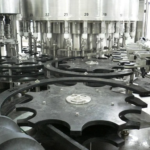
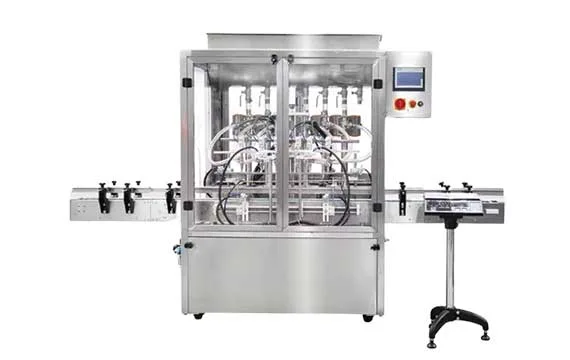
Electric models are available in different capacities. Some are designed for small businesses, while more advanced systems can integrate with automated bottling lines. Their main advantages include reduced manual effort and potentially faster production.
Benefits of Using a Wine Corker
A suitable wine corker offers several benefits for wine producers.
- Consistent sealing: Correct cork insertion helps reduce leakage and unwanted air exposure.
- Improved efficiency: Dedicated equipment makes bottling faster and more organized.
- Reduced cork damage: Proper compression can help prevent splitting and deformation.
- Better workflow: A corker creates a repeatable step within the bottling process.
- Less physical effort: Lever-operated, pneumatic, and electric models reduce manual strain.
- Professional presentation: Consistent cork placement contributes to a neat, uniform bottle appearance.
These advantages depend on equipment quality, proper setup, suitable corks, and careful operation.
How to Choose the Right Wine Corker
Before purchasing a wine corker, consider your production needs and operating environment.
Production Volume
Estimate how many bottles you plan to cork per session. Occasional home bottling may require only a manual model. Larger operations may benefit from pneumatic, electric, or automated equipment.
Bottle Compatibility
Check the bottle neck dimensions and height supported by the machine. Wine bottles can vary, so compatibility is important for reliable cork insertion.
Cork Type and Size
Natural and synthetic corks may have different compression requirements. Confirm that the machine supports your chosen closure type and size.
Ease of Operation
Look for a design that is comfortable to operate, easy to adjust, and simple to clean. Clear instructions and accessible replacement parts can also make daily use easier.
Budget and Maintenance
Consider the purchase price alongside maintenance, spare parts, and operating costs. A low-cost model may be sufficient for occasional use, while a more durable machine may provide better value for frequent bottling.
Wine Corker Maintenance and Cleaning
Regular maintenance helps keep a wine corker working safely and reliably. Follow the manufacturer’s cleaning instructions and inspect the equipment before each bottling session.
Remove visible dirt and cork fragments from the compression mechanism. Clean any parts that contact bottles or closures according to the manufacturer’s guidance. Avoid using chemicals or lubricants that could contaminate wine or damage equipment materials.
Check moving components, fasteners, and adjustment mechanisms for wear. Pneumatic models may require inspection of air hoses and connections, while electric models need appropriate care for their electrical components.
Store the machine in a clean, dry location when it is not in use. Replace worn parts promptly to maintain consistent performance.
Common Wine Corking Problems and Solutions
Wine corking problems can affect bottle appearance, sealing quality, and production efficiency.
Corks splitting during insertion: This may result from damaged corks, incorrect sizing, or improper compression. Inspect cork quality and verify the machine’s settings.
Corks sitting too high: Incorrect adjustments or unsuitable cork dimensions may prevent proper insertion. Follow the equipment manufacturer’s setup instructions.
Bottle leakage: Leakage can result from damaged corks, incompatible closures, or bottle defects. Inspect the bottle neck and closure, and verify that the cork is inserted correctly.
Inconsistent cork placement: Uneven bottle positioning or worn machine components may cause inconsistent results. Stabilize the bottle and inspect the corking mechanism.
Always test the setup with a small batch before processing a large quantity of wine.
Wine Corker Safety Tips
Safe operation is important when using any corking equipment. Keep fingers away from compression jaws and moving components during operation. Place bottles on stable surfaces and avoid applying excessive force to fragile glass.
Wear suitable protective equipment when recommended by the manufacturer. For pneumatic and electric machines, follow the relevant operating and maintenance instructions. Disconnect power or compressed air before carrying out maintenance when required.
Train operators to use the equipment correctly, particularly in commercial facilities where several people may share the same bottling line.
Wine Corker vs. Other Bottle Closures
Although cork remains a traditional wine closure, it is not the only option. Screw caps and synthetic closures are also used in the wine industry.
Natural cork is valued for its traditional appearance and its performance in suitable wine-storage conditions. Synthetic corks offer another option, with performance depending on the material and design. Screw caps can provide consistent closure performance but require compatible bottles and capping equipment.
The best closure depends on the wine style, intended storage period, packaging preferences, and production requirements. A wine corker is the appropriate choice when the producer has selected cork closures for the product.
Applications of Wine Corking Machines
Wine corkers are used in home winemaking, boutique wineries, vineyards, and commercial beverage production. Small producers often prioritize affordability and ease of use, while larger businesses focus on throughput, repeatability, and integration with filling and labeling systems.
Some businesses also use corking equipment for other compatible bottled beverages. However, closure requirements vary by product, bottle design, and internal pressure. Always confirm that the equipment is suitable for the intended application.
Conclusion
A wine corker plays an important role in producing properly sealed wine bottles. From simple handheld tools to advanced pneumatic and electric machines, different models support different production needs.
When choosing a wine corker, consider production volume, bottle compatibility, cork dimensions, operating convenience, maintenance, and budget. Regular cleaning and correct setup can improve performance and reduce common bottling problems.
By selecting suitable equipment and following the manufacturer’s instructions, home winemakers and commercial producers can create a more efficient bottling process and achieve consistent cork placement.
Frequently Asked Questions
What is a wine corker used for?
A wine corker compresses and inserts corks into wine bottle openings to create a secure closure.
Which wine corker is best for beginners?
A handheld or floor-model wine corker is often suitable for beginners who bottle small quantities of wine.
Can a wine corker work with synthetic corks?
Some models support synthetic corks. Always check the manufacturer’s compatibility specifications before use.
How often should a wine corker be cleaned?
Clean the machine according to the manufacturer’s instructions and inspect it before each bottling session.
Why does a wine cork sometimes split during insertion?
Splitting can occur because of damaged corks, incorrect sizing, unsuitable compression settings, or worn equipment.
Is an electric wine corker better than a manual model?
An electric model can reduce physical effort and improve throughput, while a manual model is often more affordable and suitable for smaller batches.